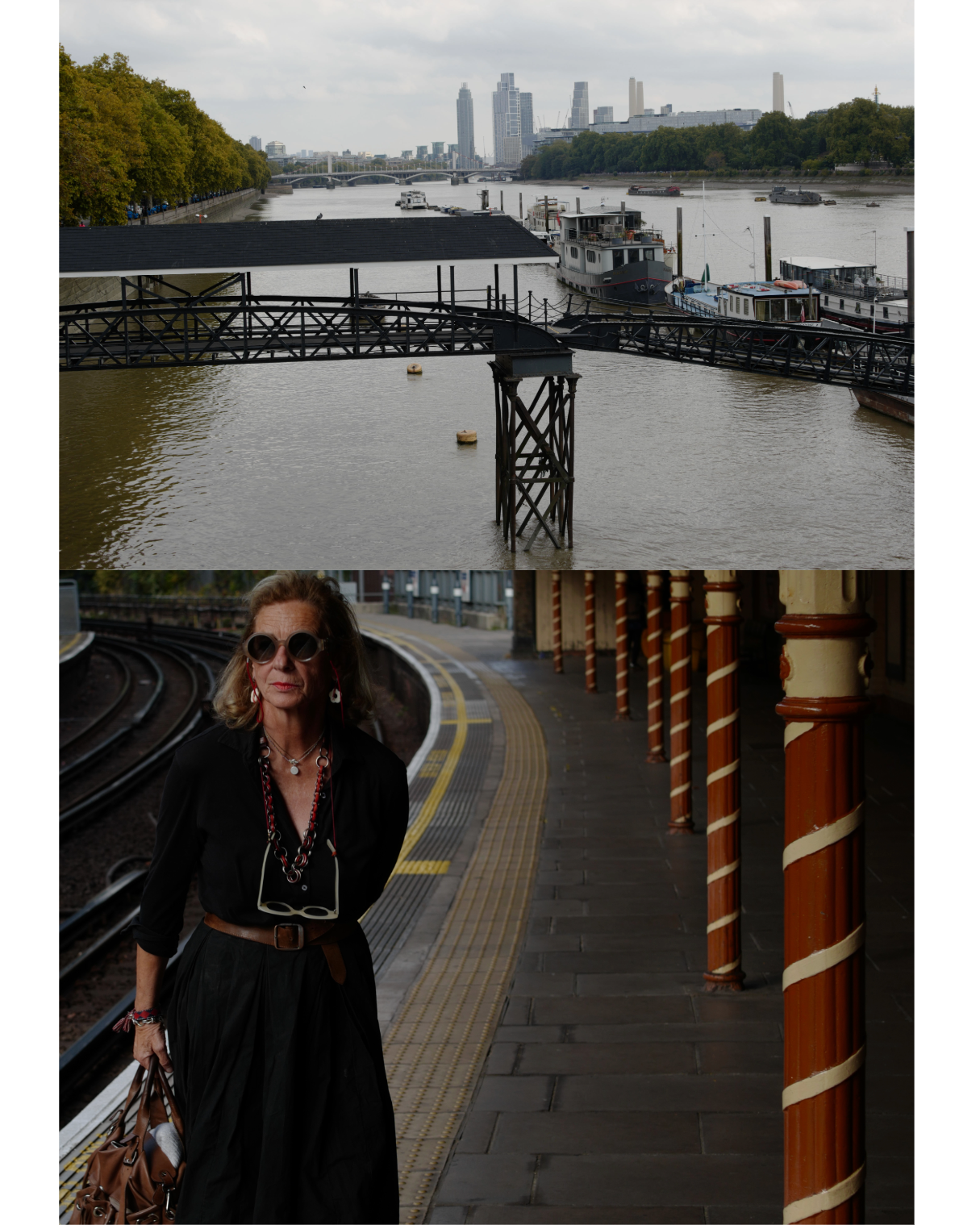
LONDON, 2026
On Ambition, Reinvention, and a Persistent Urge
R sticks her tongue out and licks three fingers. Twice.
She rubs them, shiny with spit, through my hair, mumbling something like "I don't know what to do with hair like yours." Any resemblance to an aging punk is skillfully dealt with.
I have always had strong-willed hair. Over the years, a gravity-defying cowlick grew into a gray cockscomb rising in the middle of my crew cut. But this tidbitting rooster is losing its strut.
R grooms me like a cat licks her kitten.
It's a quarter to ten on a bright September morning. We are sitting on a bench at London's Westbourne Park underground station. The morning rush has passed.
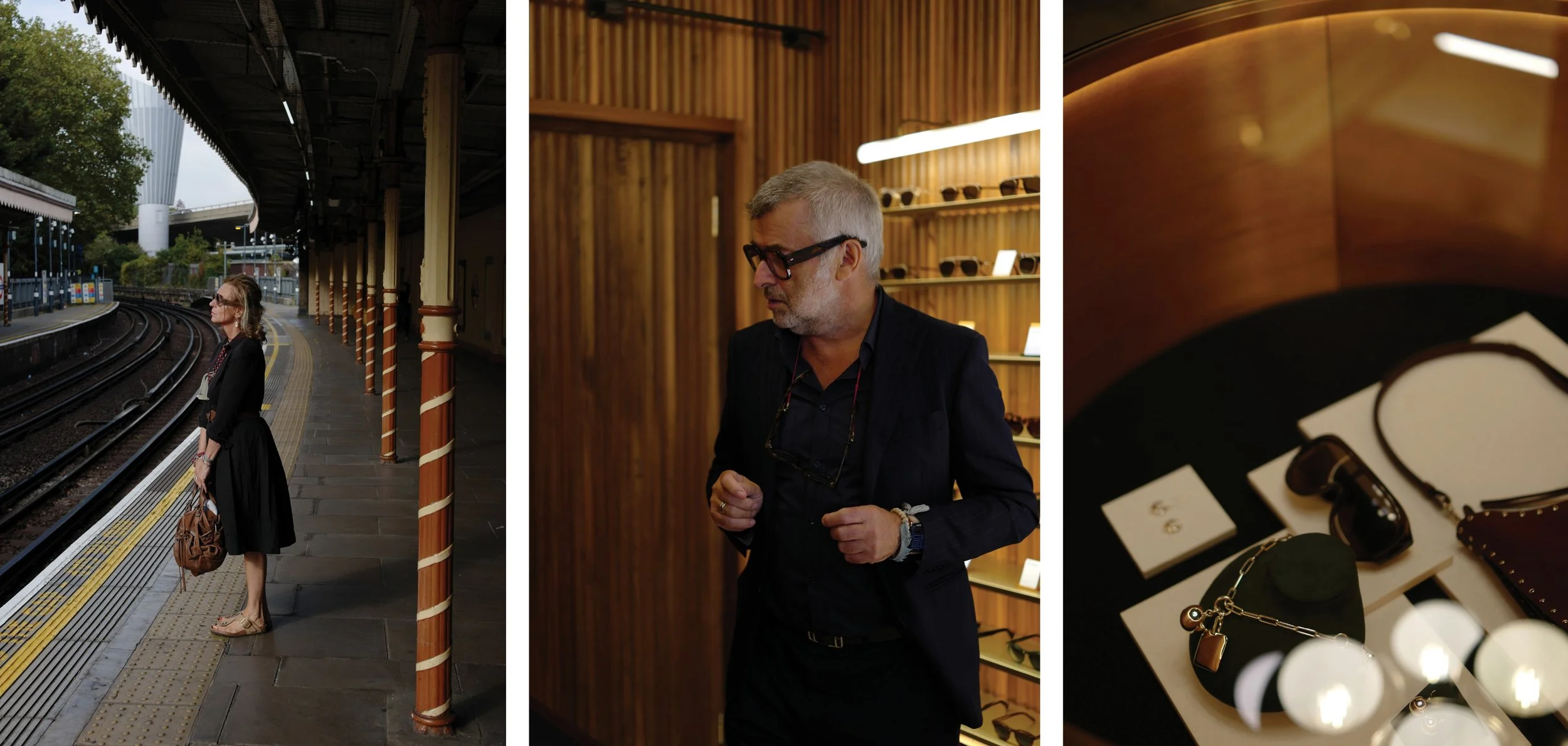
An elegantly dressed young woman looks at us from the opposite platform. Is she bemused or baffled? Her headscarf matches the caramel and cream colors of the barley-twist cast-iron columns that support the platform's canopy. Pink latticework trims the roofline above her.
The Hammersmith & City Line train rattles in. Its doors open with a hiss and swallow the woman. A fleeting look and an empty platform are what remains of her.
We are having lunch at Simpson's-in-the-Strand when a self-appointed icon of Britishness enters an institution that has never needed to proclaim its credentials. A crystal decanter of Pauillac and an aide-de-camp, suit and tie as sharp as his wit, are waiting at the table. The decanter is empty after the briefing session. The politician's face ever so lightly more burgundy. The security detail reappears out of thin air. And the aide-de-camp looks remarkably pleased with himself as the politician is led out.
Another promise in the making.
Our Devon beef rib, at least, delivers.
Properly aged, slow-roasted, and perfectly rare. It is wheeled up to our table on a silver trolley, polished to such a shine that I can count the cornice's dentils in its reflection. The beef is carved from the bone and served with Yorkshire pudding and creamy horseradish.
Noblesse oblige. Particularly for a Bill of Fare.
A 2019 Côte-Rôtie will do nicely for us. Even without decanting.
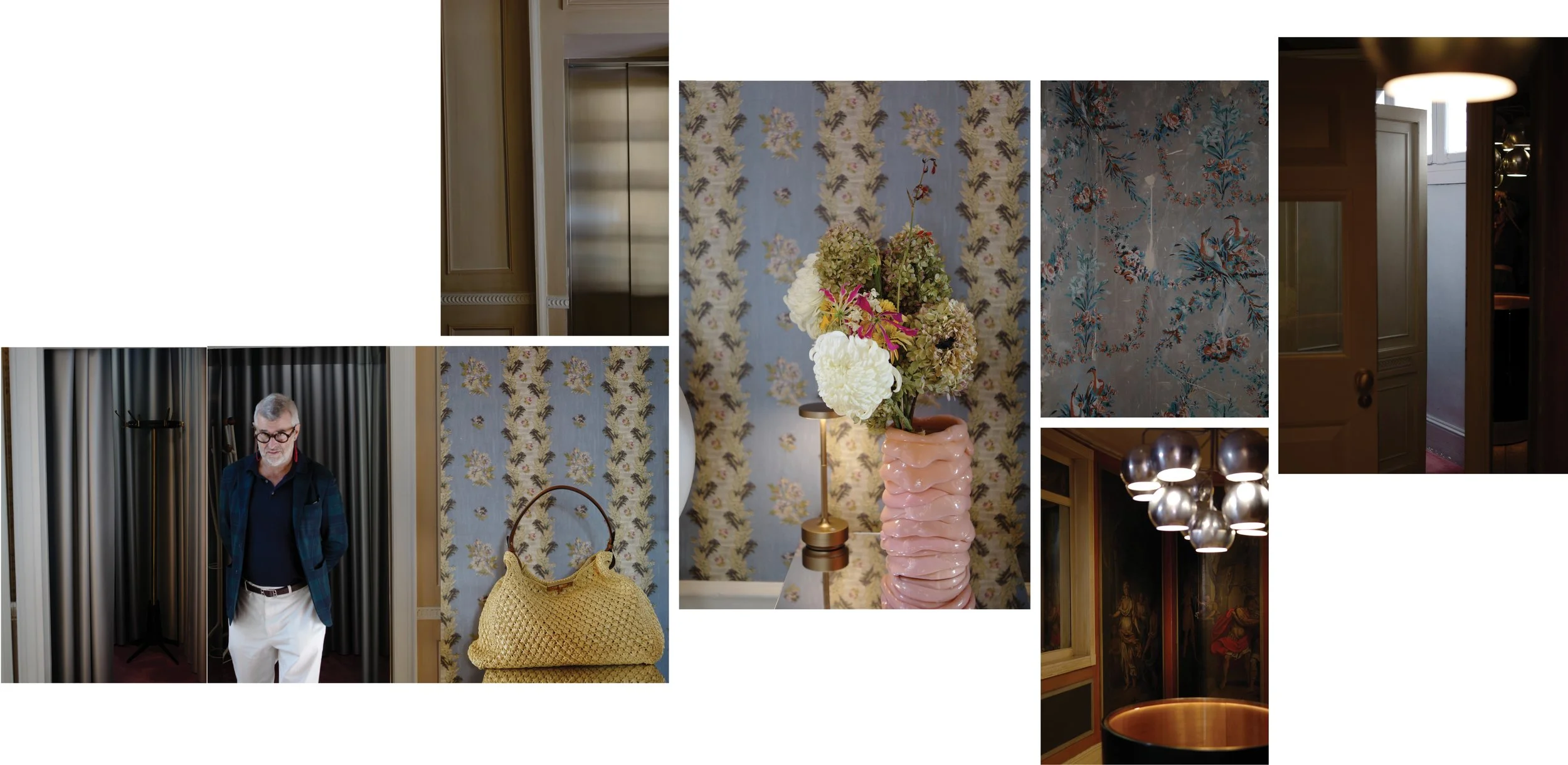
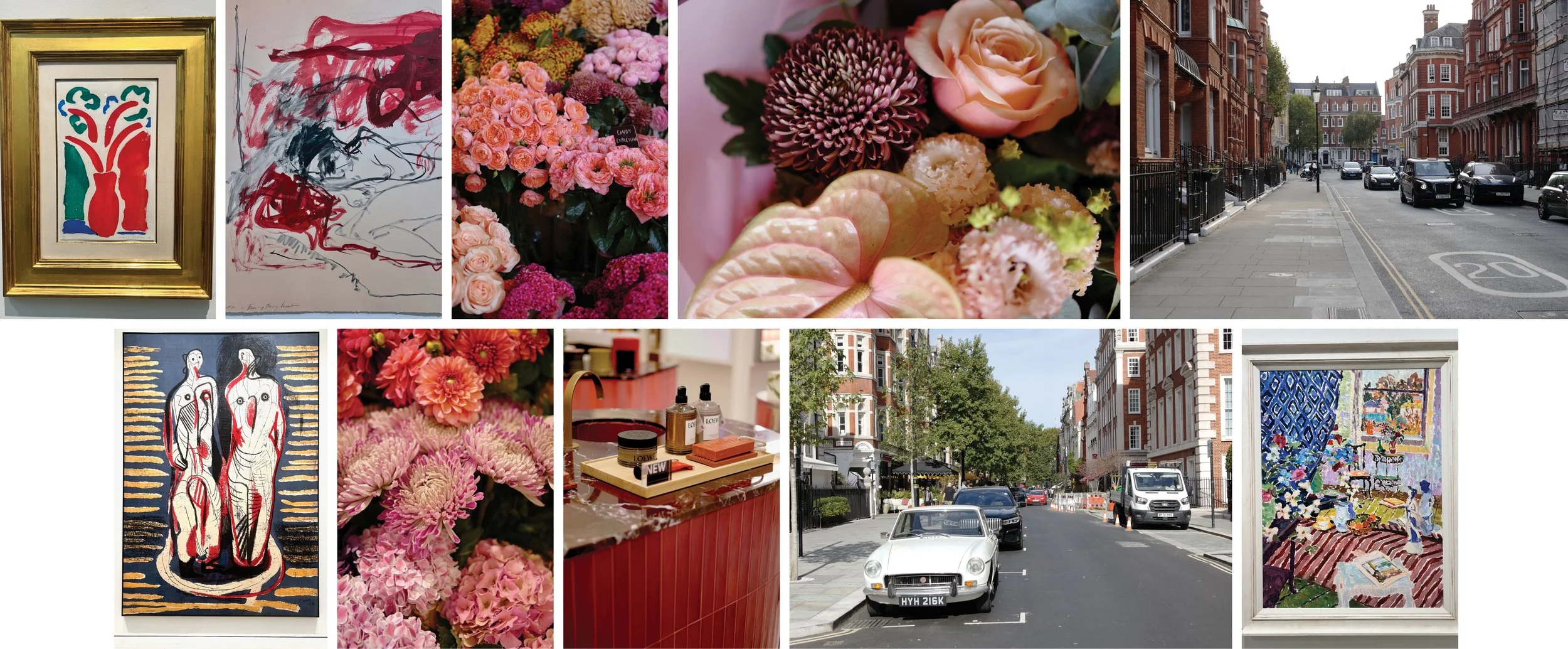
Browns at Brook Street, Mayfair
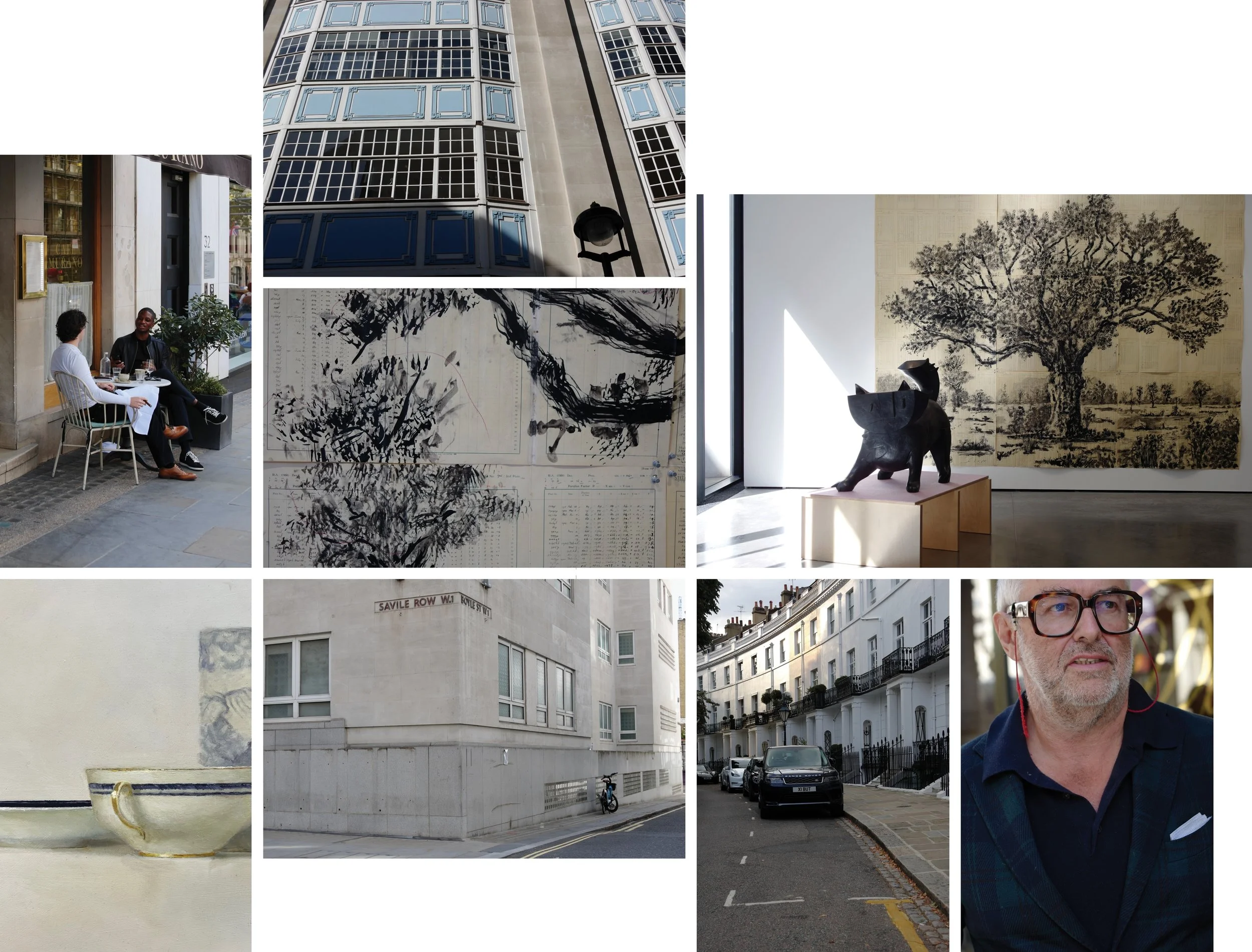
William Kentridge at Goodman Gallery, Mayfair
The unions still thought that they could topple Margaret Thatcher the first time we went to London together. We were young. Not married yet. When you asked R how long we'd been together, she'd say two years; I'd say four. Just across the ditch, London was a world away. And a future being fought over.
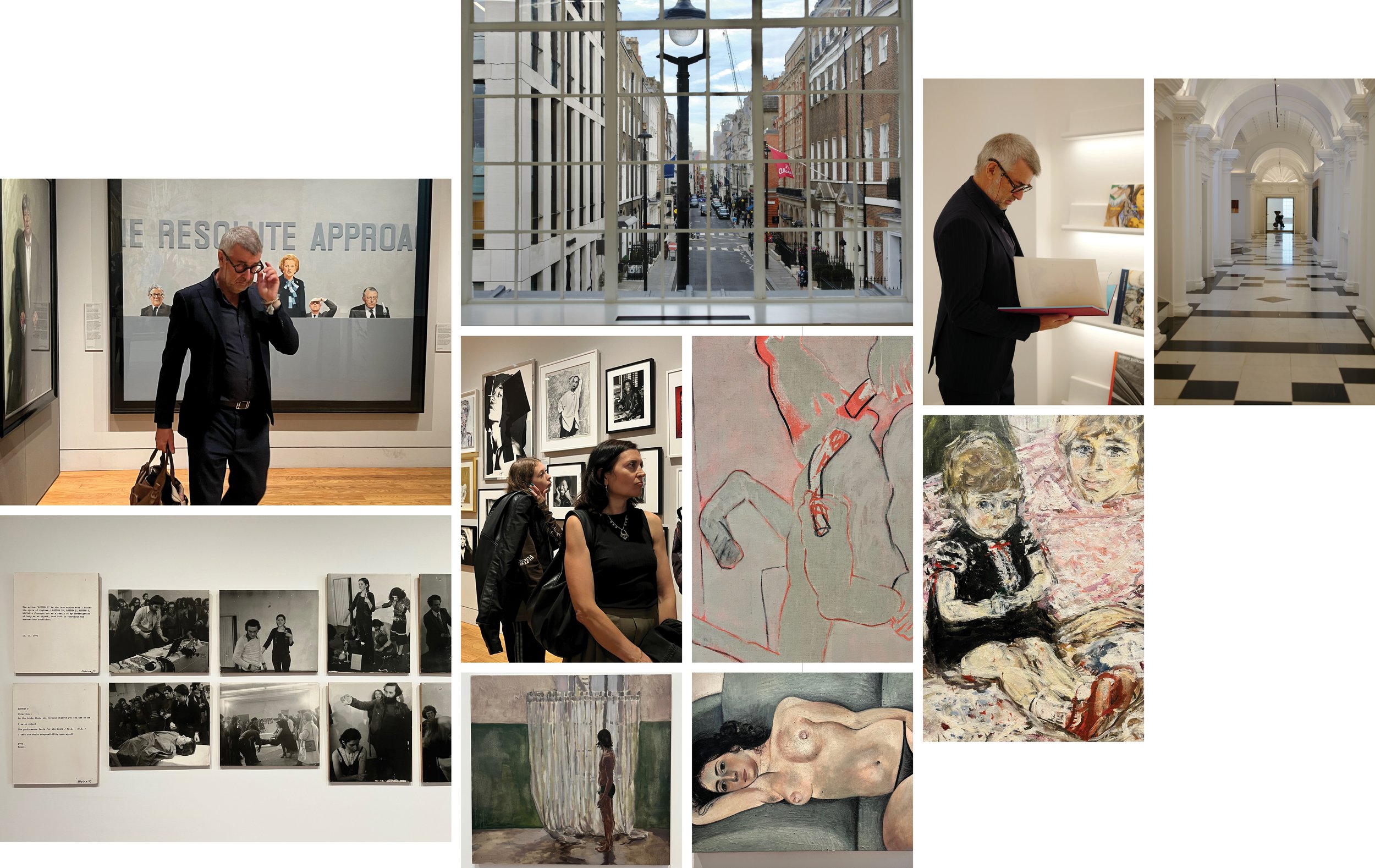
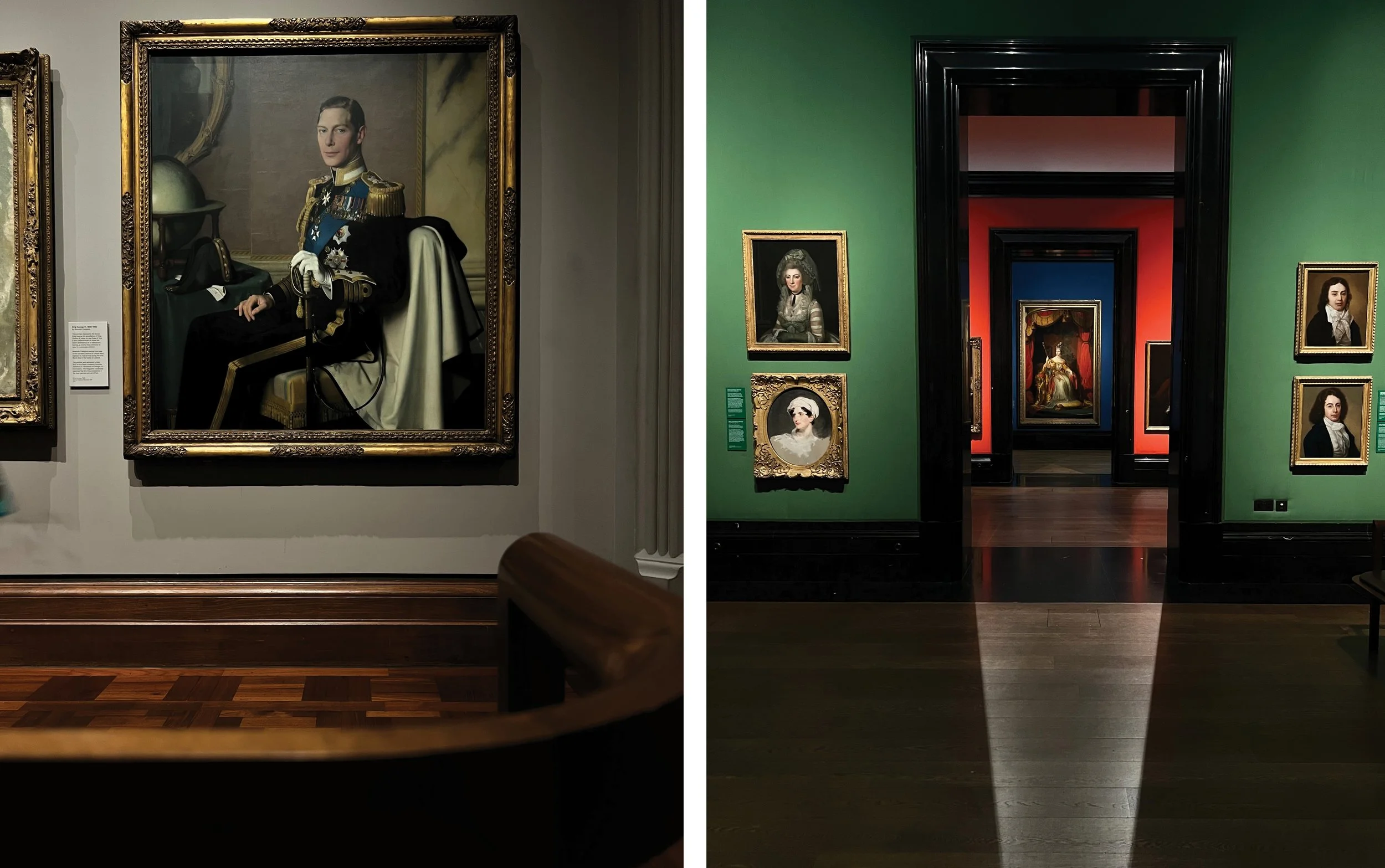
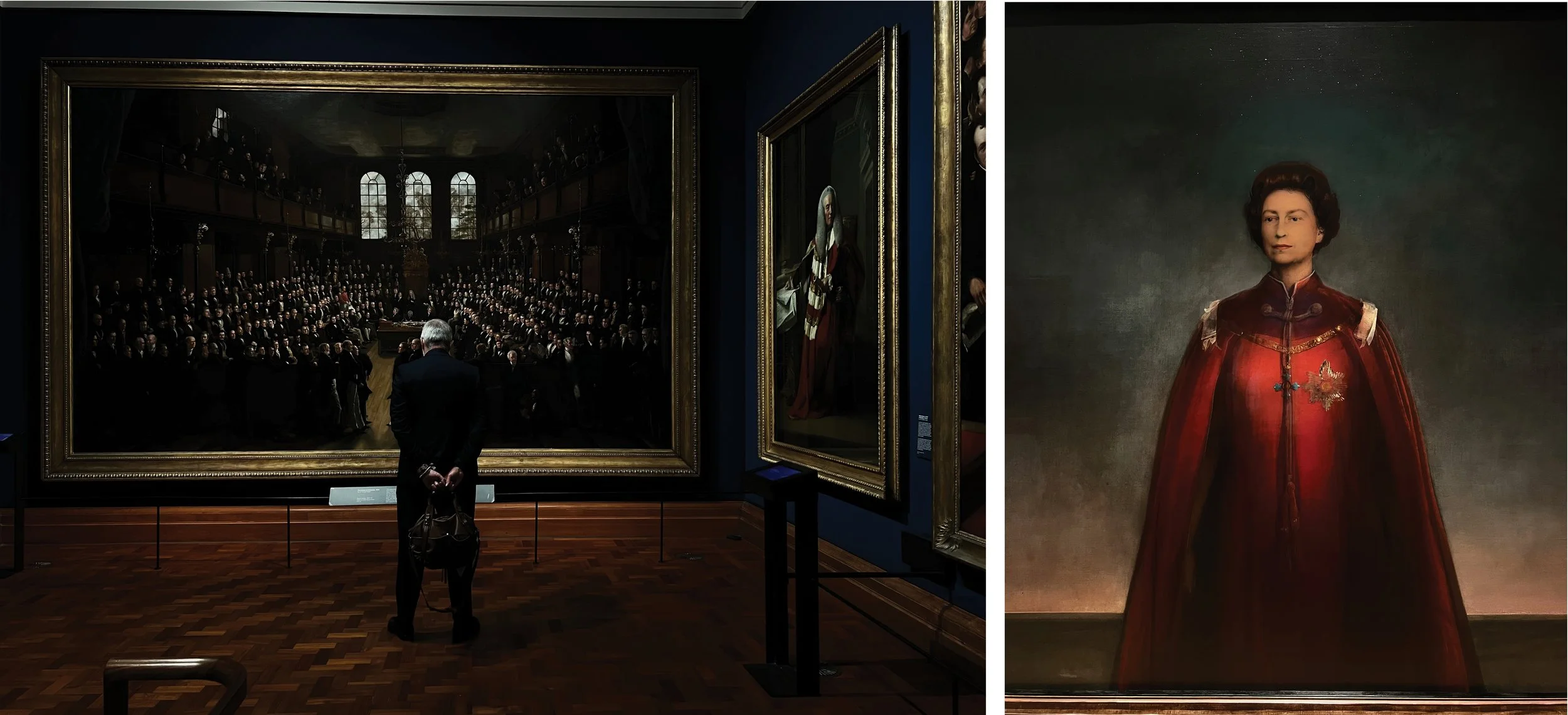
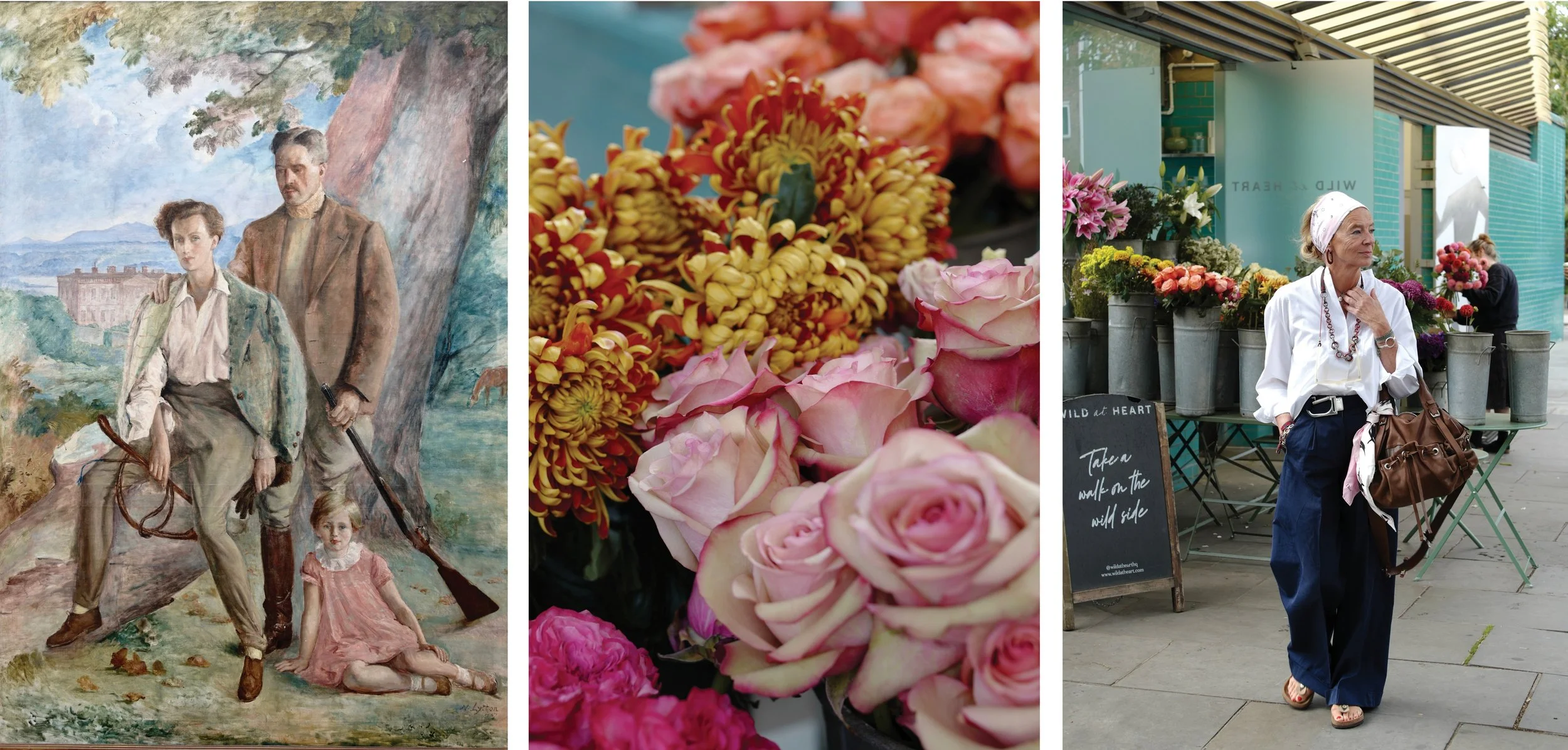
National Portrait Gallery
The army-green Skai seats of the train to Ostend smelled of boredom and cigarette smoke. The ferry to Dover of vomit, courtesy of a strong westerly and heavy seas. And when we finally got to the UK, the trains had stopped running.
It was Boxing Day. The Empire had come to a halt.
But not our ambition.
We set out to discover a city reinventing itself, time and again. There was Browns on South Molton Street. Not a boutique, but a life-sized trendbook that turned rebellion into fashion and extravagance into desire. We used the Underground to devour the ads. David Booth's Tate Gallery Tube map. Saatchi & Saatchi's provocative advertising copy.
London created on a grand scale. Unleashed, often unhinged.
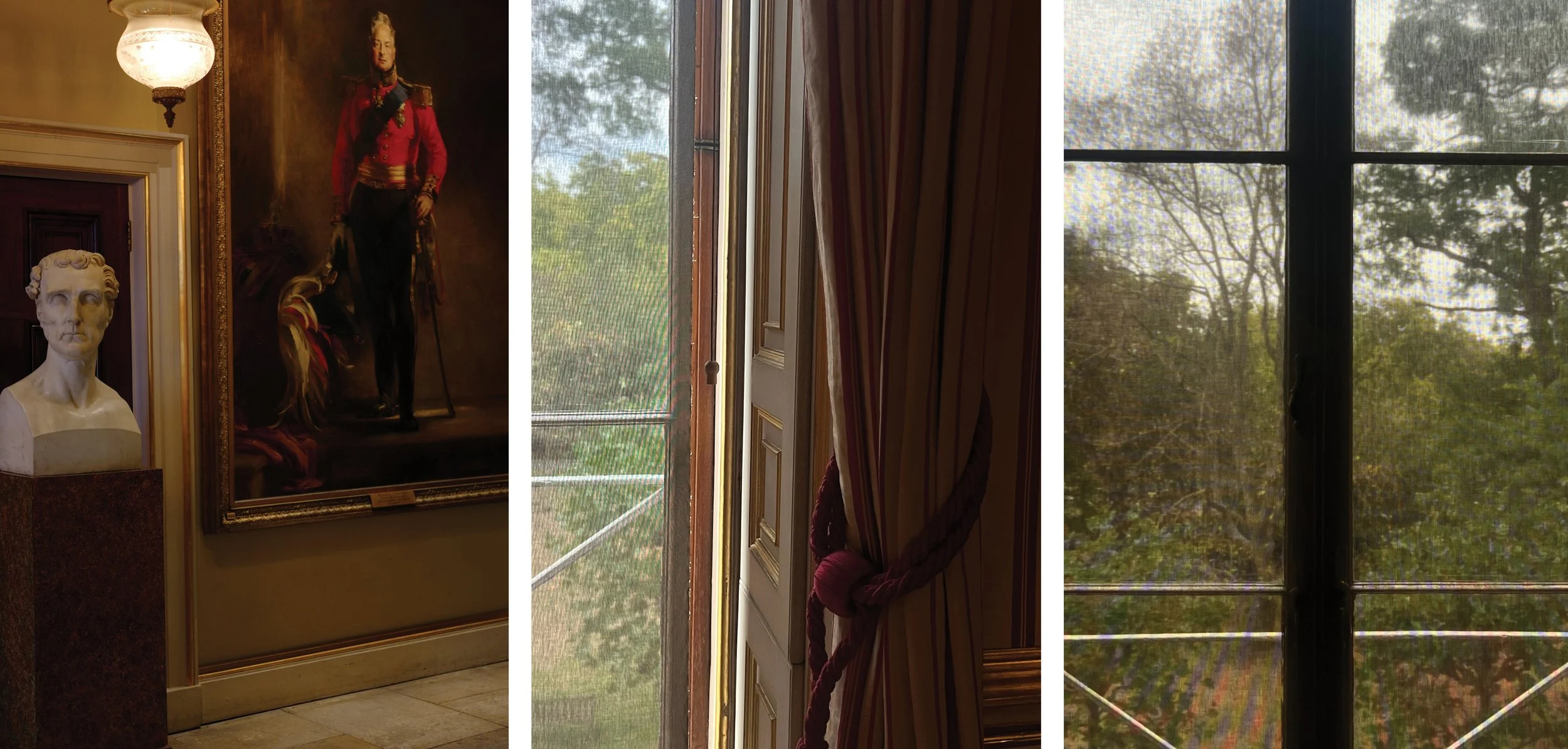
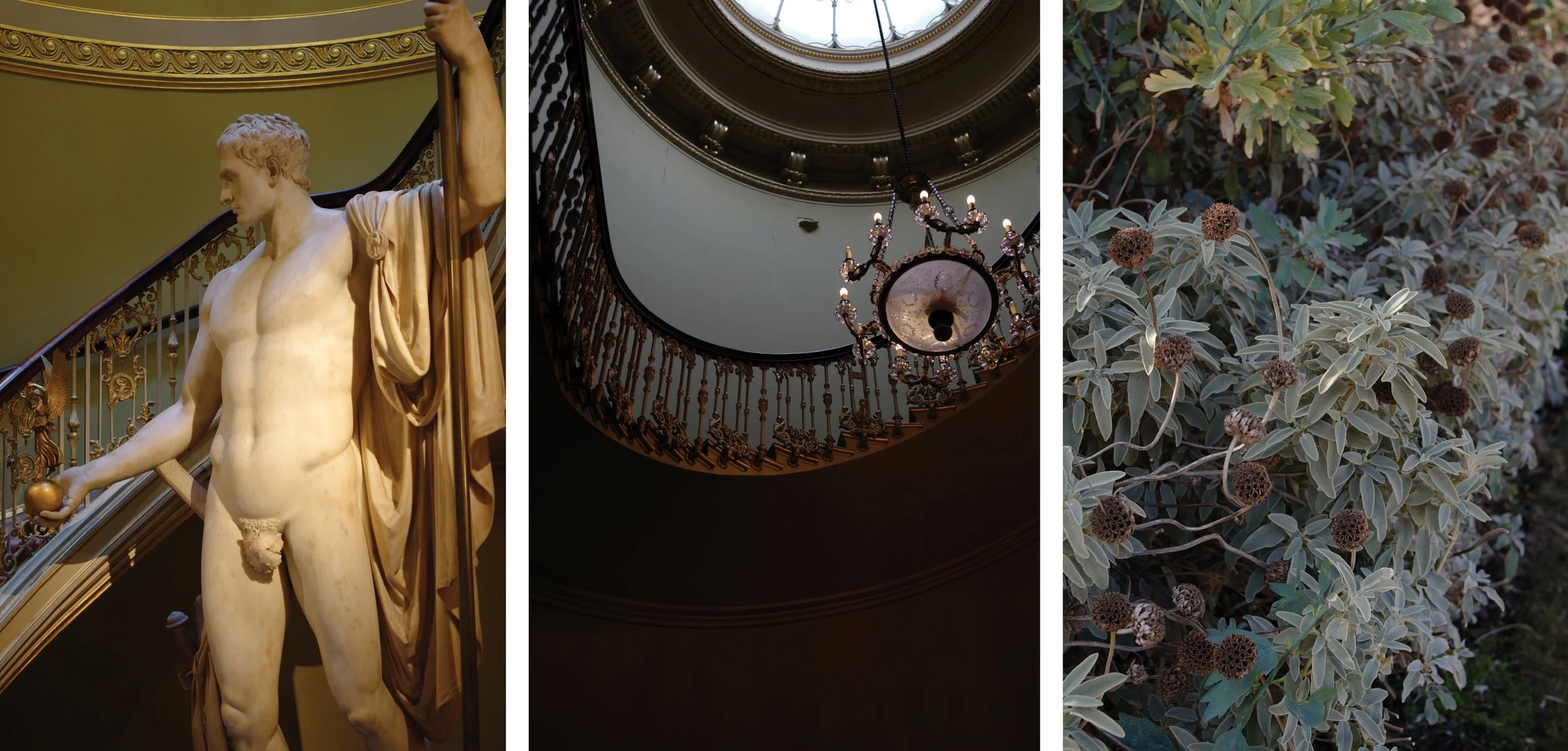
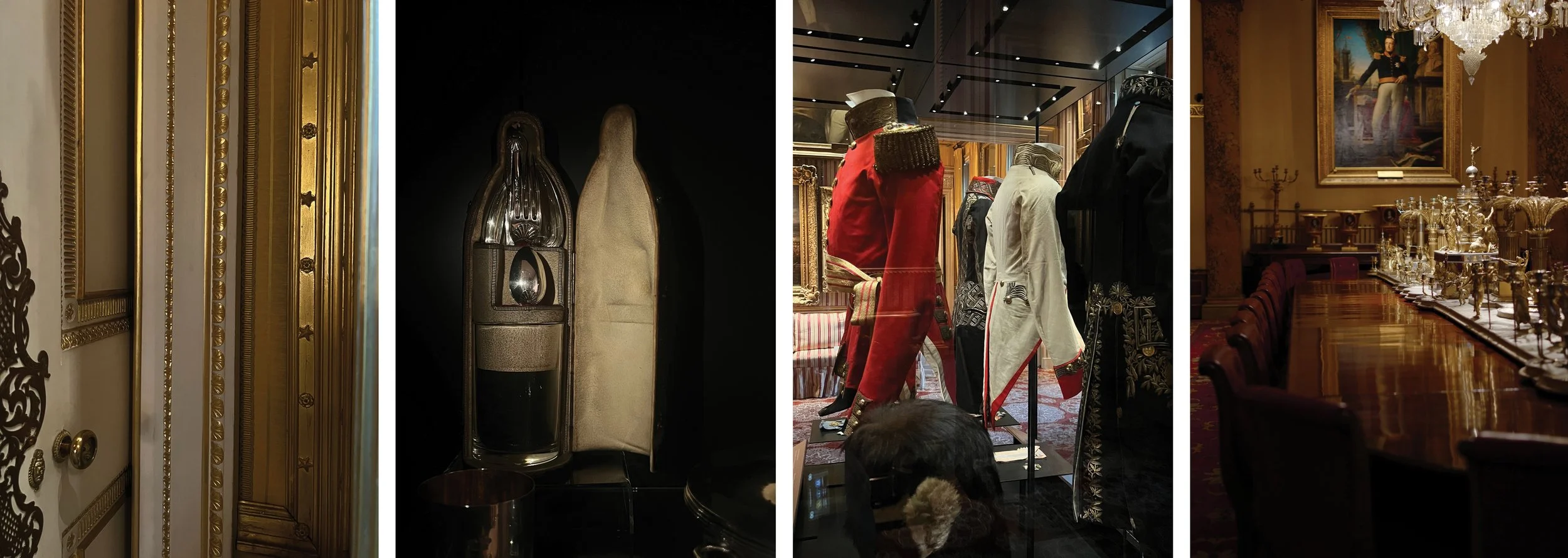
Apsley House, Piccadilly
My English was private-school perfect. Hundreds of pages of "Words and Idioms" and "Sounds and Stress" were drilled into me over my bachelor's and master's years. Even today, I know that there is no "fern" in Severn. And no audible "h" in Thames.
The best part of twenty years among Kiwis wiped the poshness off my accent. But she'll be right, mate.
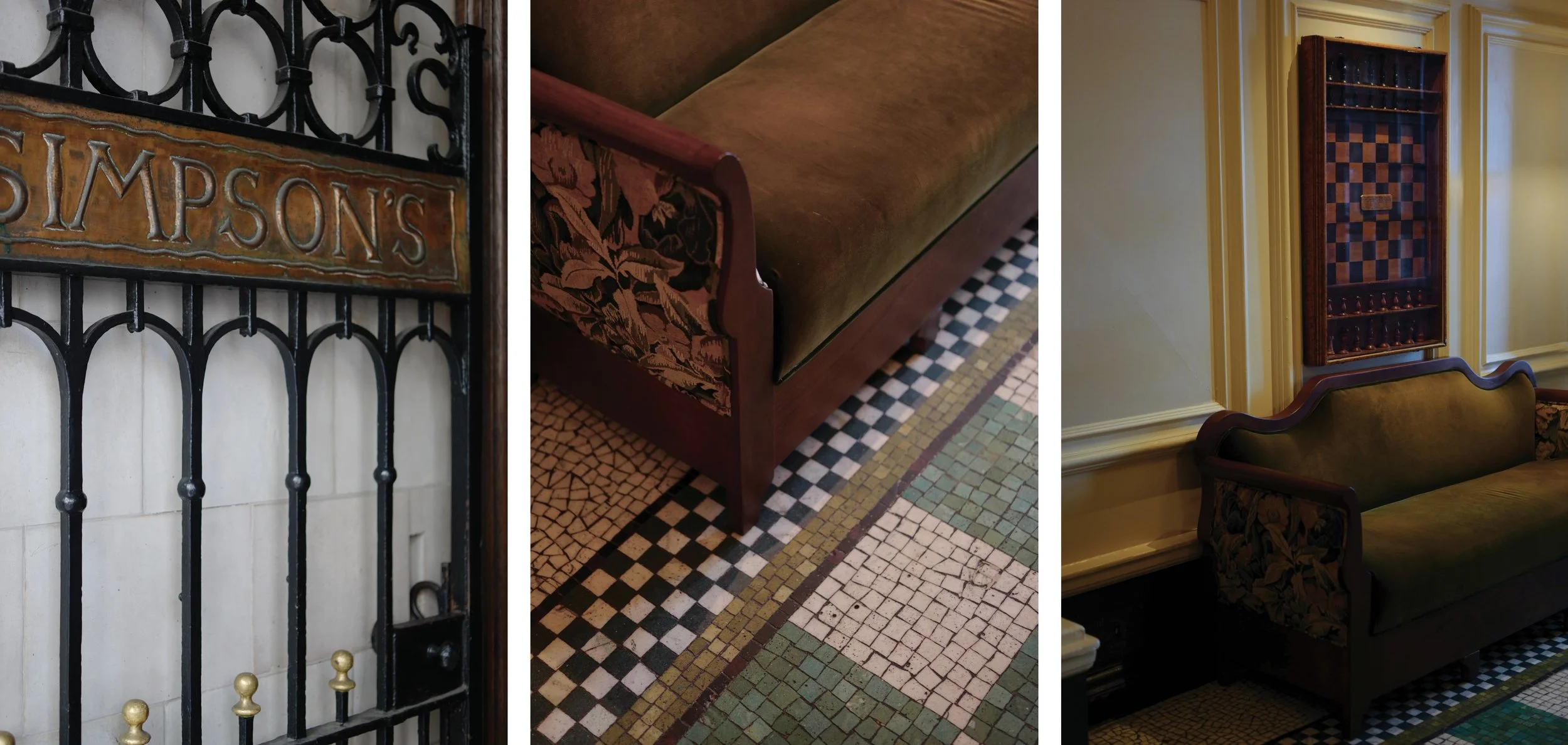
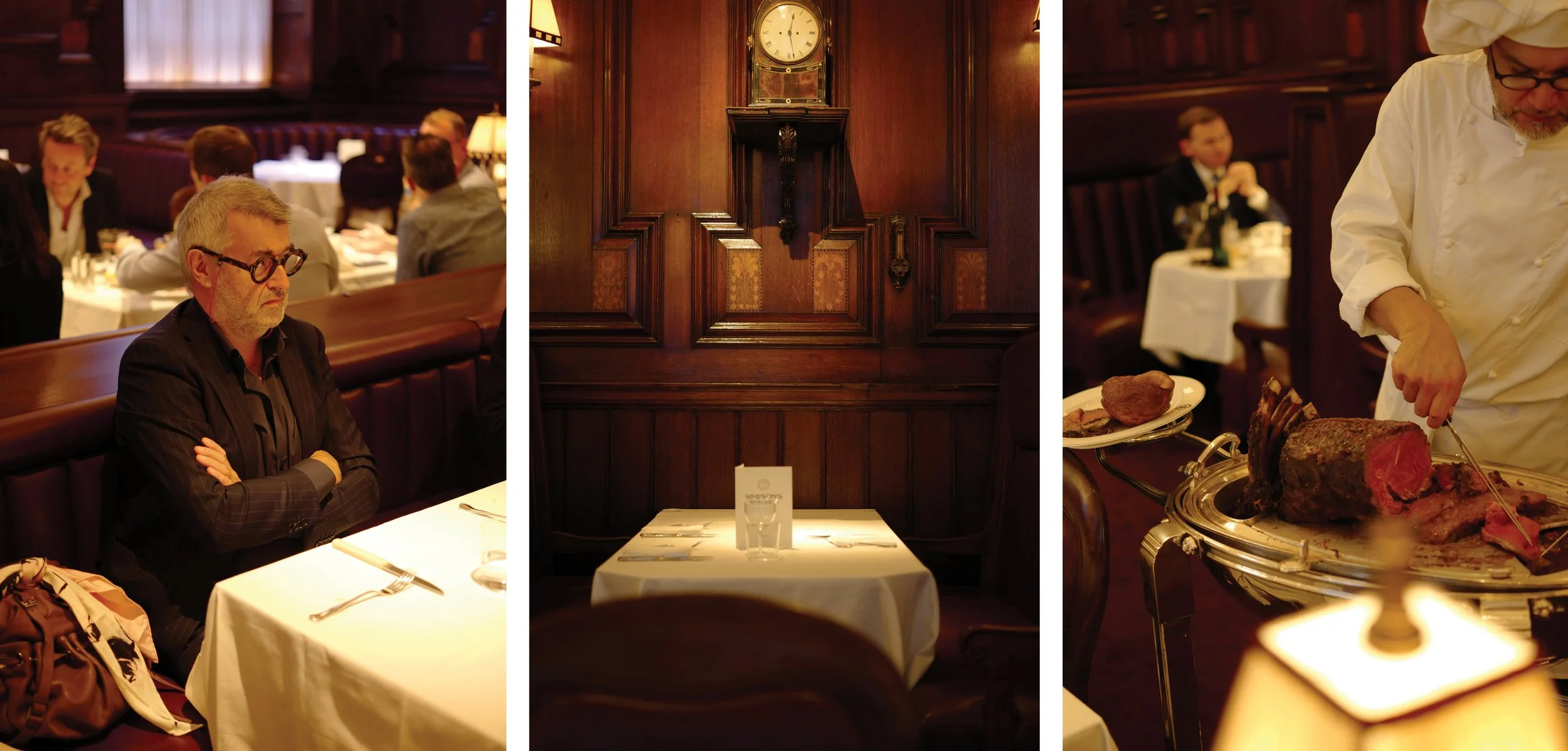
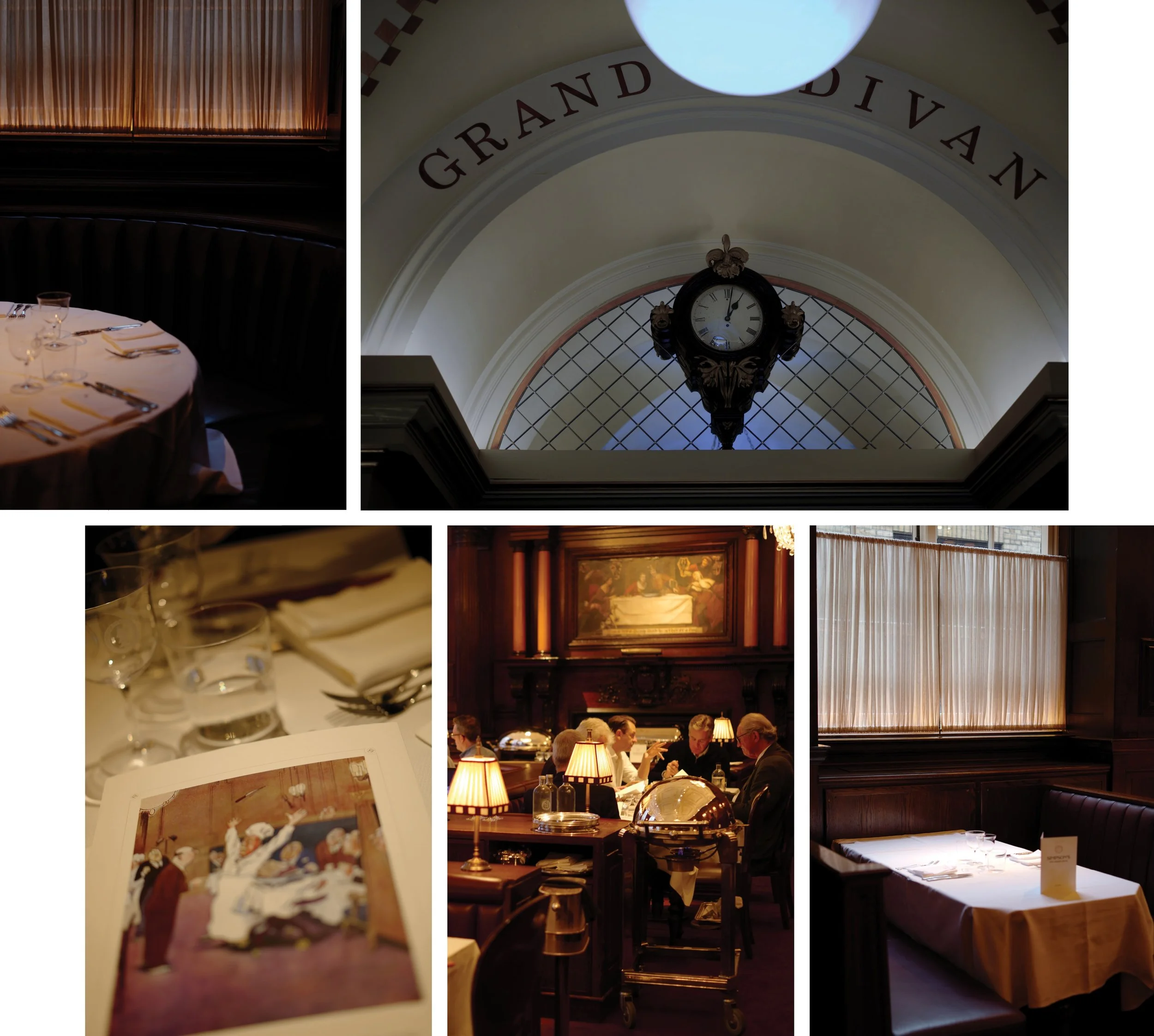
Simpson's-in-the-Strand
Brussels became our home base. The world our point of reference.
Our lives a collection of fleeting city views, meetings in offices that look equally ordinary around the world. Fragments of discussions, arguments, and laughter at dinner tables booked for impact. The promise of lifelong relationships that only rarely outlived the revenue that sustained them.
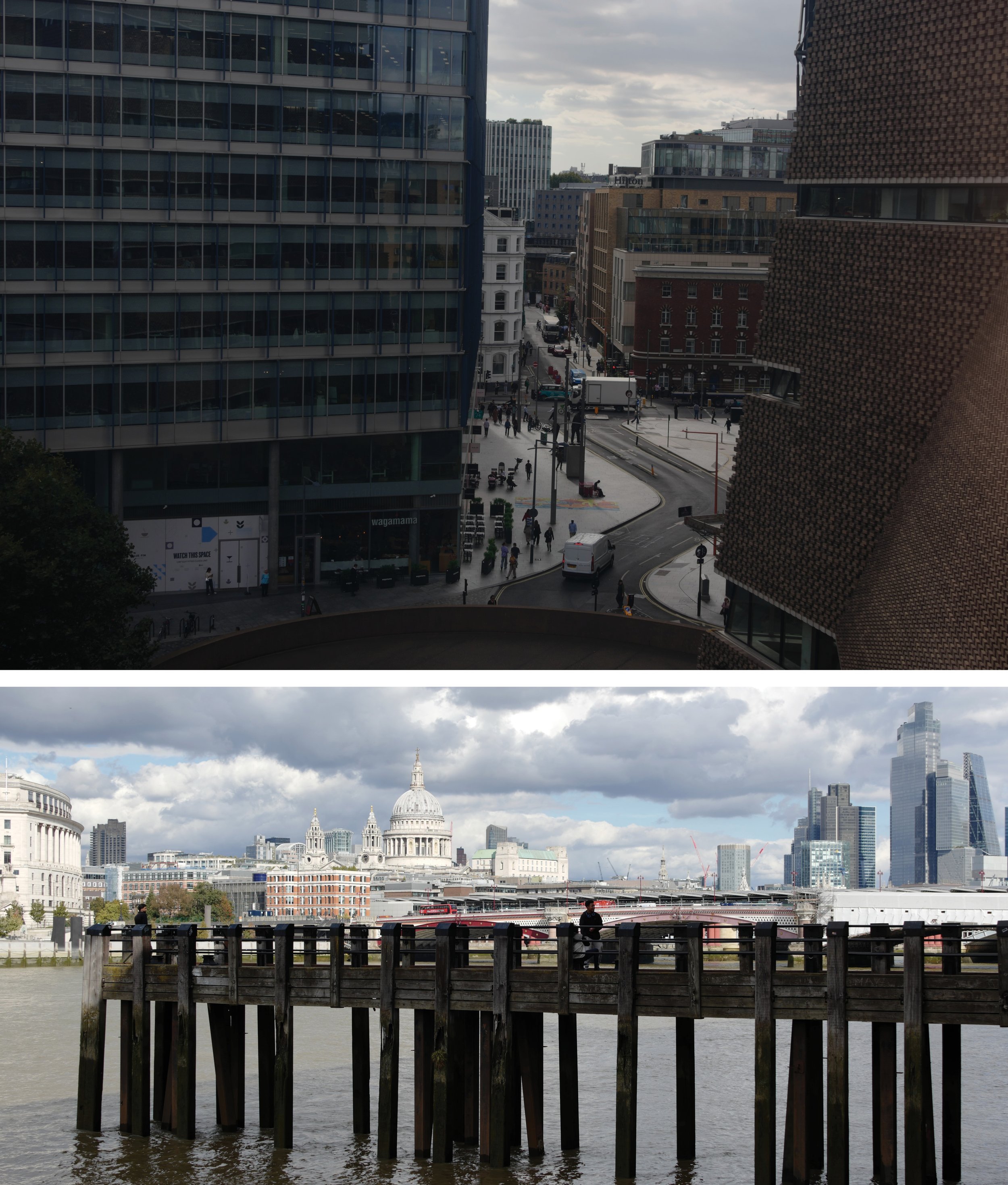
Broadgate brought back the exhilaration: the irons we kept in the fire, the kick of a deal fought hard and won. The confidence of those years embodied in the glass and stainless steel of the office towers that reflect one another into infinity.
Once, that confidence belonged to us, too. The longing remains. The prospect, less so.
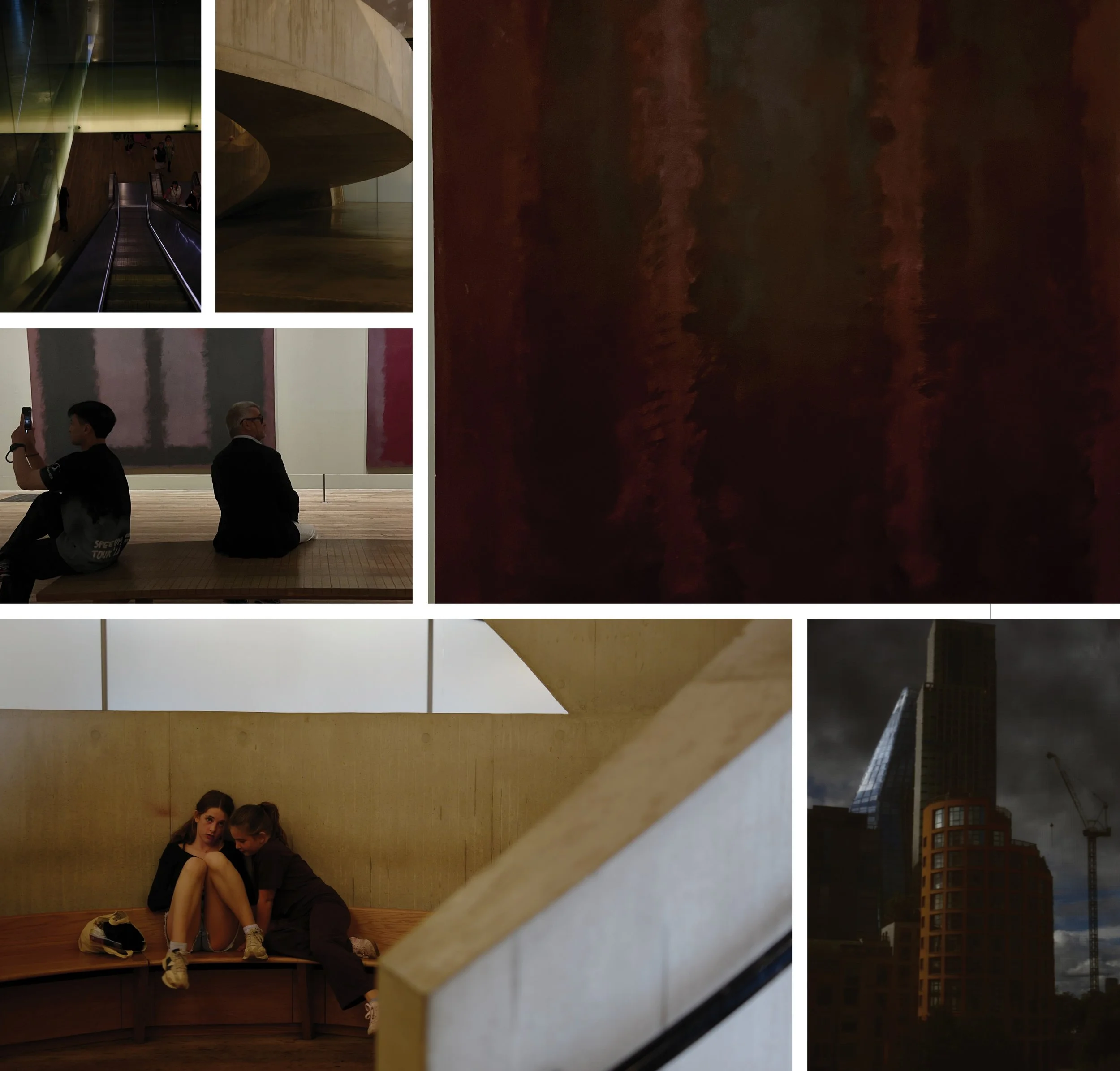
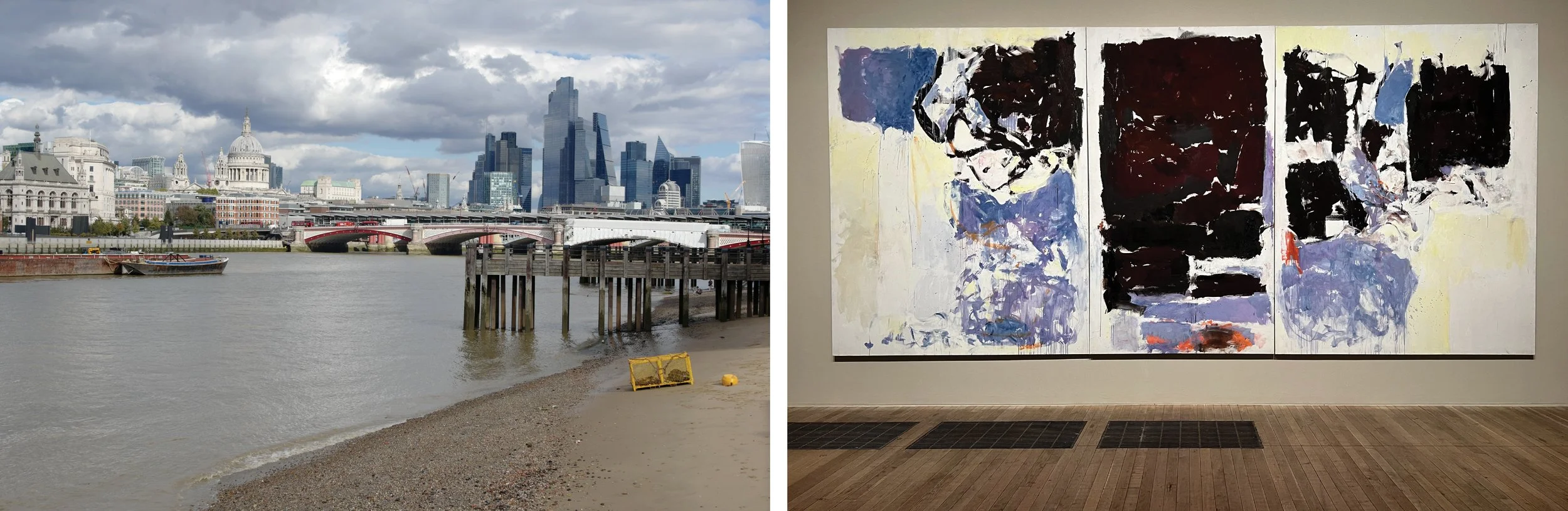
Joan Mitchell, Iva (1973) at Tate Modern
It's only a twenty-minute stroll to Smithfield Market, where vertical ambition makes room for the horizontal expanse of Victorian iron and brick. Humpers and bummarees have vanished. A wooden hand-barrow with a Smithfield license plate is on offer at an auction house. A remnant of an era when carting beef around in bloody aprons was a regulated business.
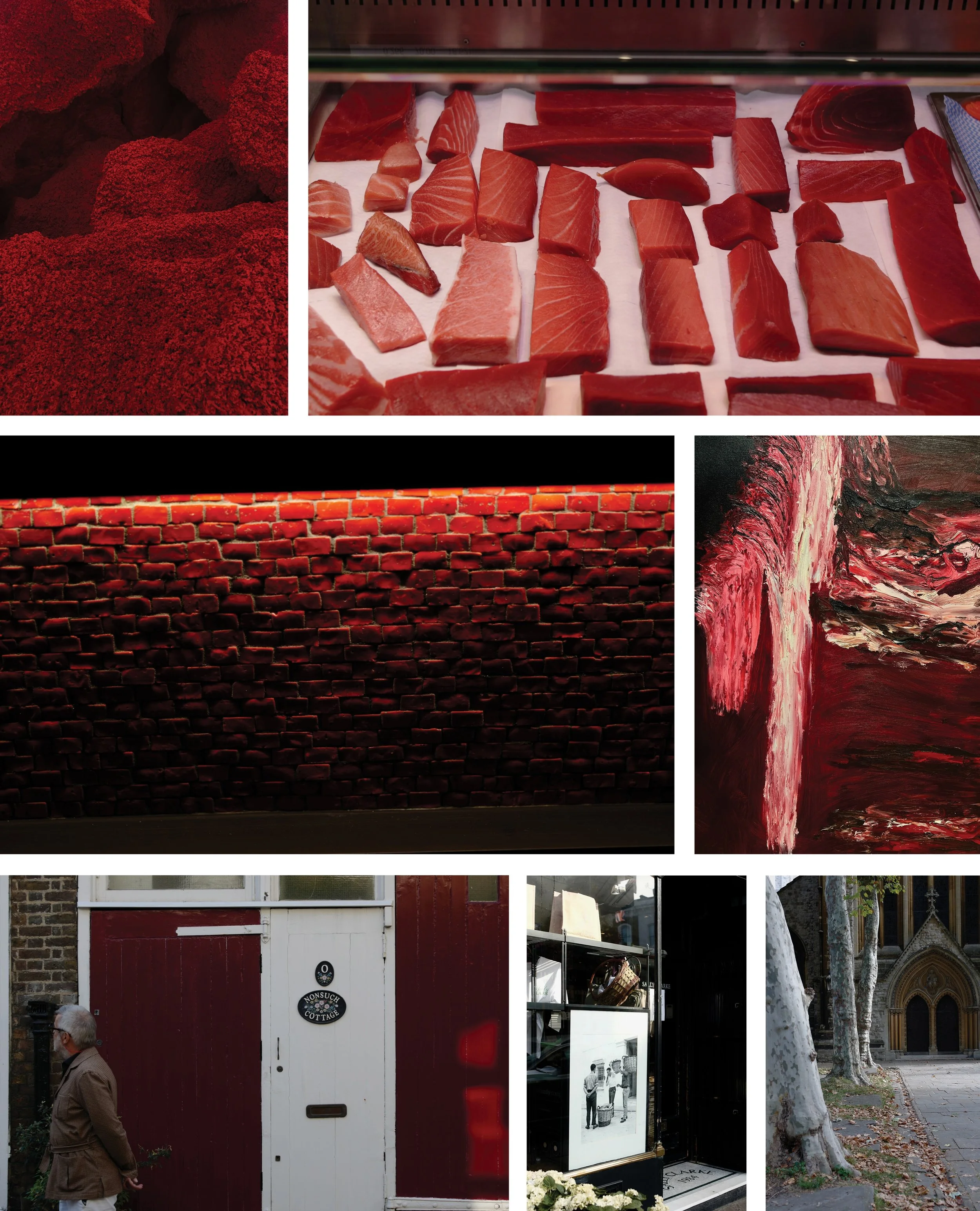
Anish Kapoor, details of works at the Hayward Gallery, and fish display at Notting Hill Fish + Meat
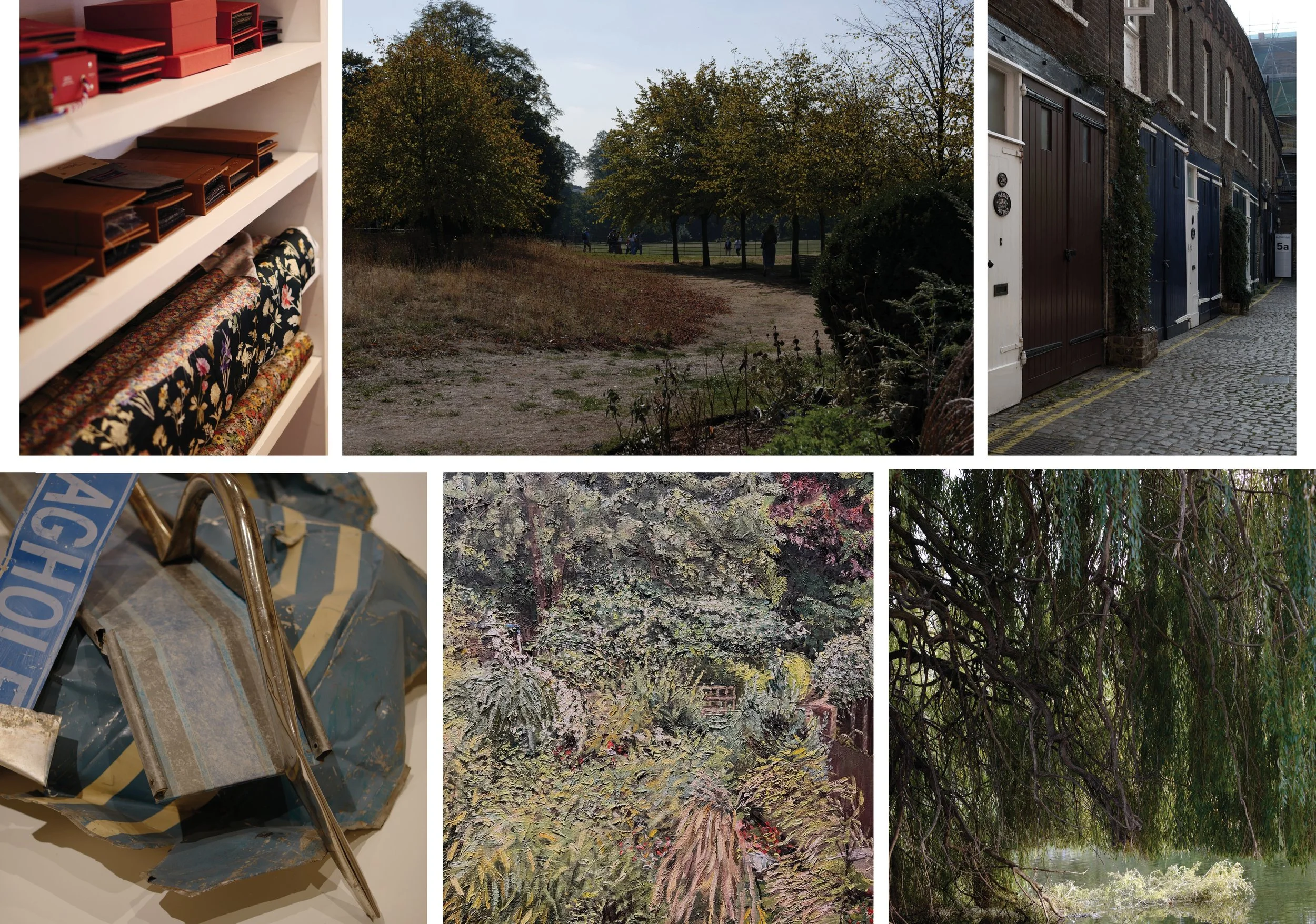
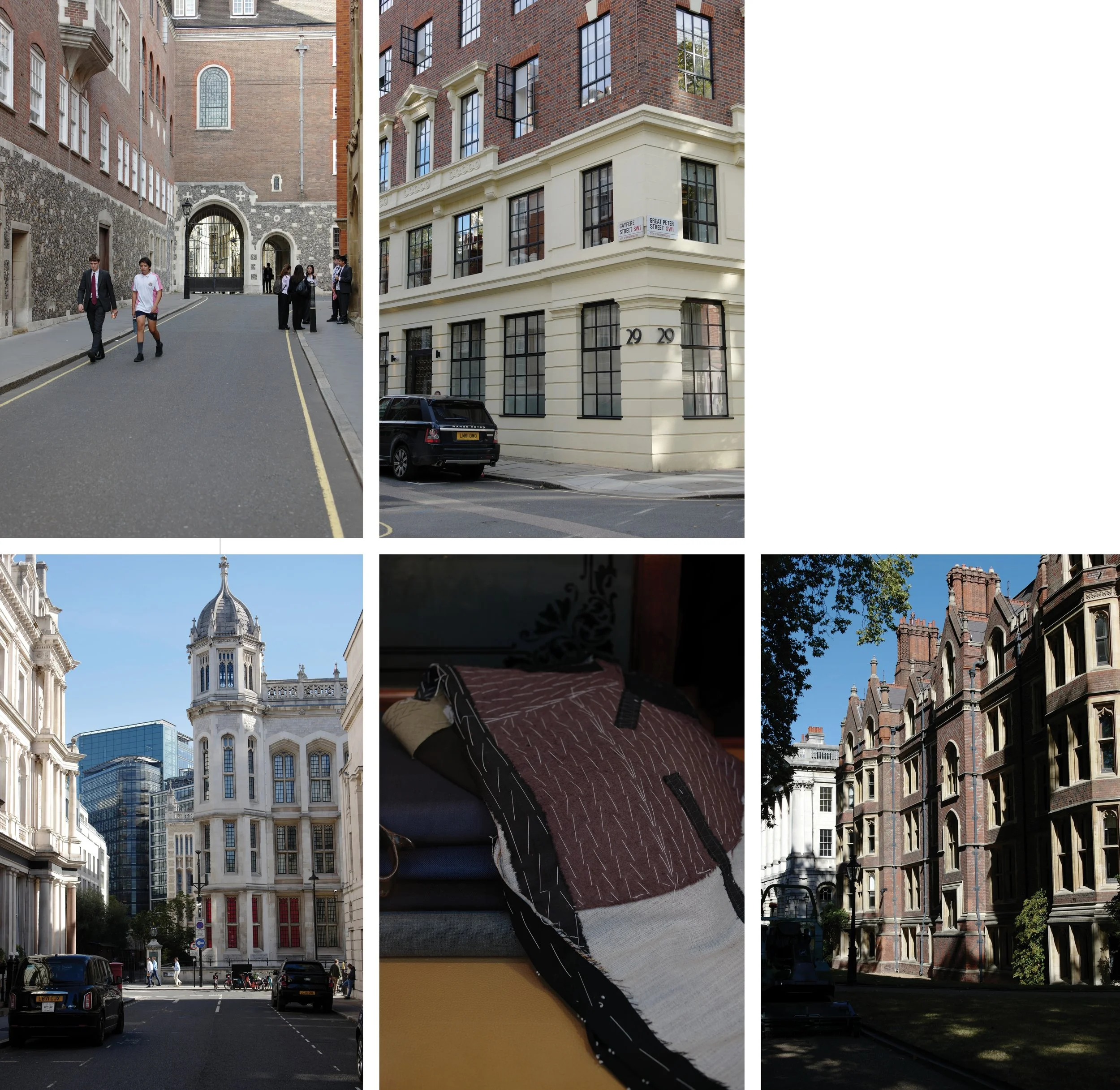
We are free now. Free to let the Circle Line tube go by because we like the pink of the Hammersmith & City more. Free to wander into Ede & Ravenscroft's just to find out how the horsehair bar wigs are made. Free to drink a Côte-Rôtie over lunch without having to change the world afterwards.
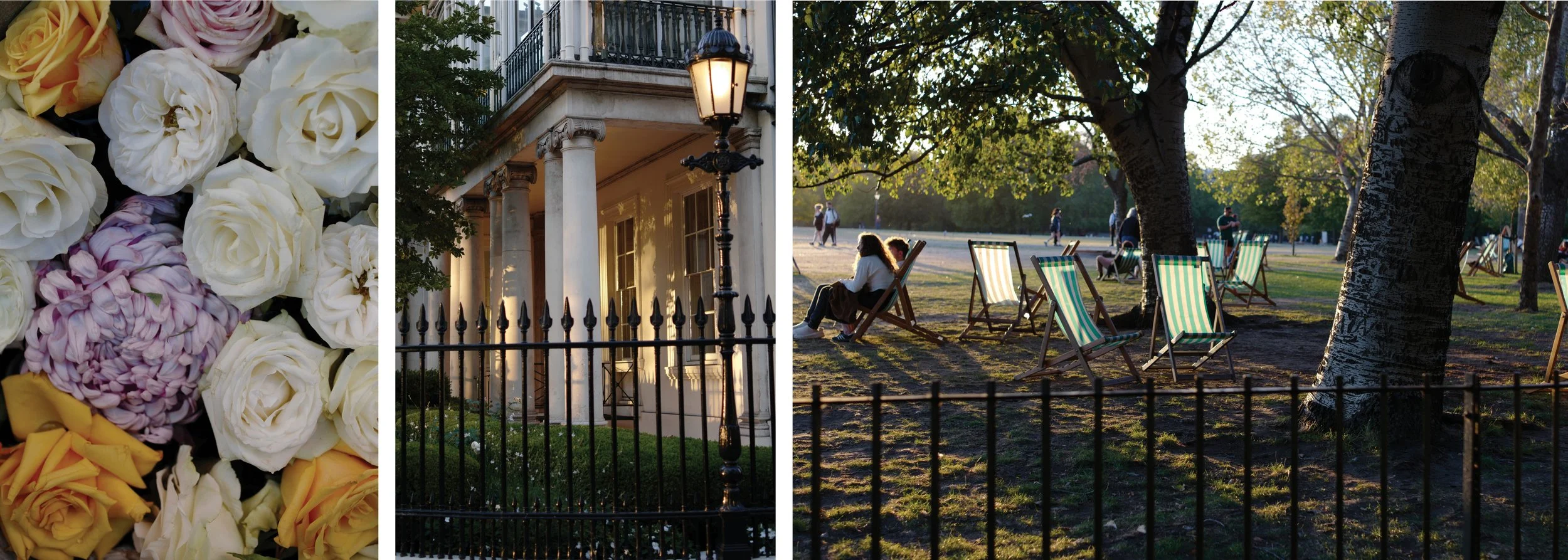
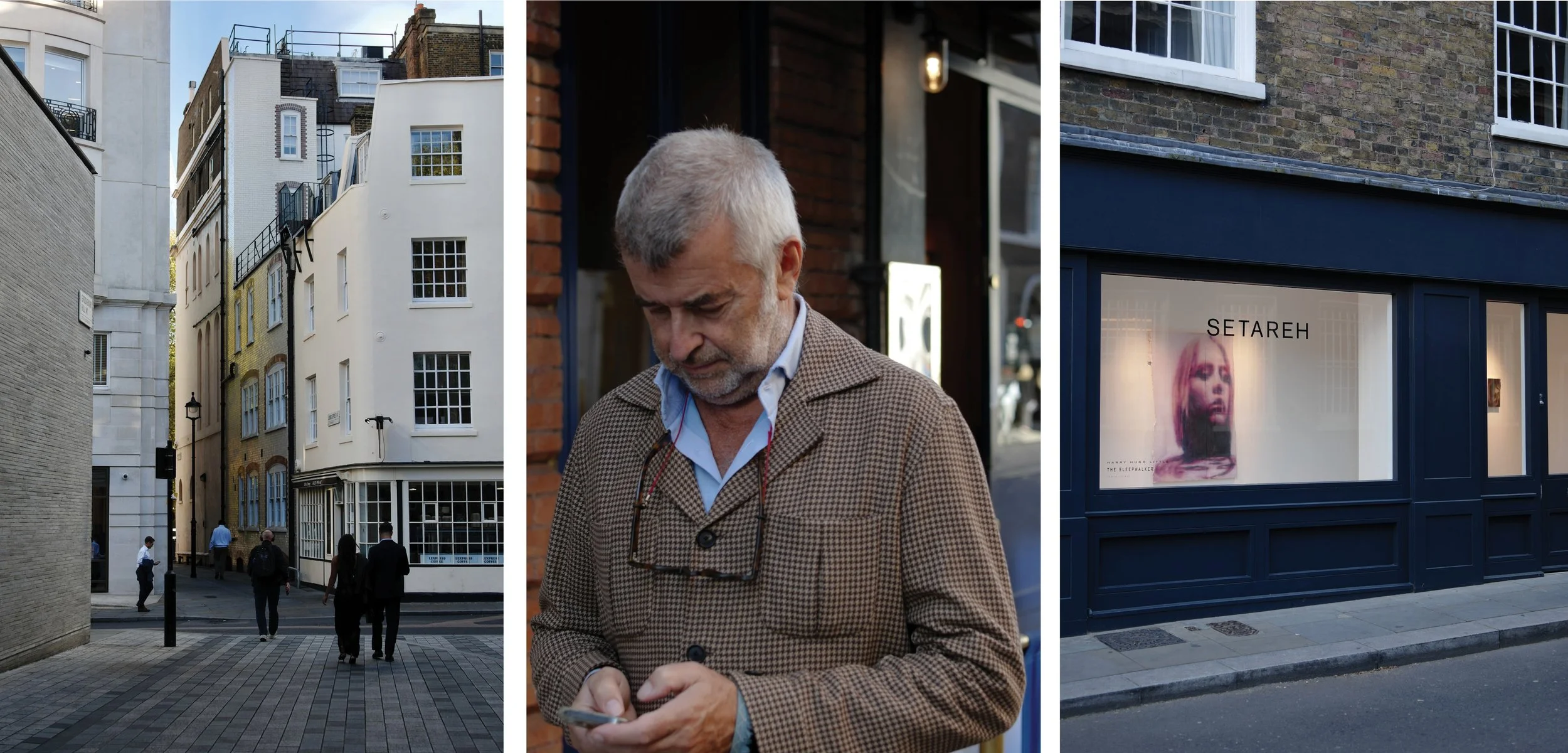
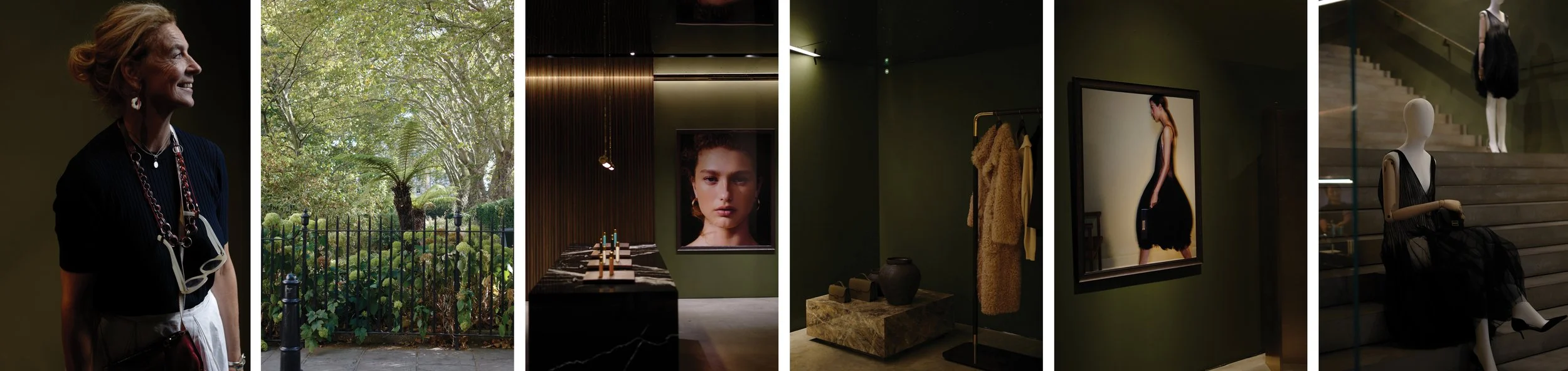
R takes me through Browns on Brook Street again. Luxury retail worn like a housecoat, two up, two down. Less of the rebellion we remember. More about last season's sales figures.
The melee is still calling. The urge to be involved. To create.
Rush hour again. The train pulls in.
It's full.
Subscribe to get full access to the newsletter and publication archives.
THE ÆSTHETIC NOMADS BLUE BOOK: THE ART OF NOT HAVING TO
NOTTING HILL FISH + MEAT
Forget the Food Hall at Harrods if meat and fish are what you are after. Products with oomph: sashimi-grade tuna and salmon, cut to perfection and displayed as if Mondrian himself drew the pattern. Or aged beef ribeyes that make you smell a grill that isn't there.
https://nottinghillfishshop.co.uk/
BROWNS
Fifty-six years on, now in a Brook Street townhouse. Still sharp. More intimate. Joan Burstein, its founder, might have had a word about collections that trade sparkle for a higher bottom line
https://brownsfashion.com/
SIMPSON’S-IN-THE-STRAND
As close to a traditional London members' club as you can get, but with excellent food and a superb wine list. Why call it a Sunday Roast, when you can have it every day of the week, served from a silver trolley? Ever heard of Thomas Crapper? Visit the restrooms for a lesson in Victorian plumbing and some mischievous etymology.
https://www.simpsonsinthestrand.co.uk/grand-divan/
NAKIMUSHI
The staff were boning such a stack of chickens as we walked by in the morning that we thought it was a butcher shop. We guessed they needed a bit of stock for their superb ramen. A menu with prices in pounds and yen. Save on the flight; visit Japan on three floors in this tiny townhouse in Notting Hill.
https://nakimushi.co.uk/
DOVER STREET COUNTER
Book a seat at the bar and enjoy the kitchen theater at arm's length. Mayfair polish meets an American all-day diner. Escape the serious business of shopping. At least for lunch.
https://www.doverstreetcounter.com/