England, 2026
A farewell road trip in a classic car through Shropshire, Devon, and Cornwall
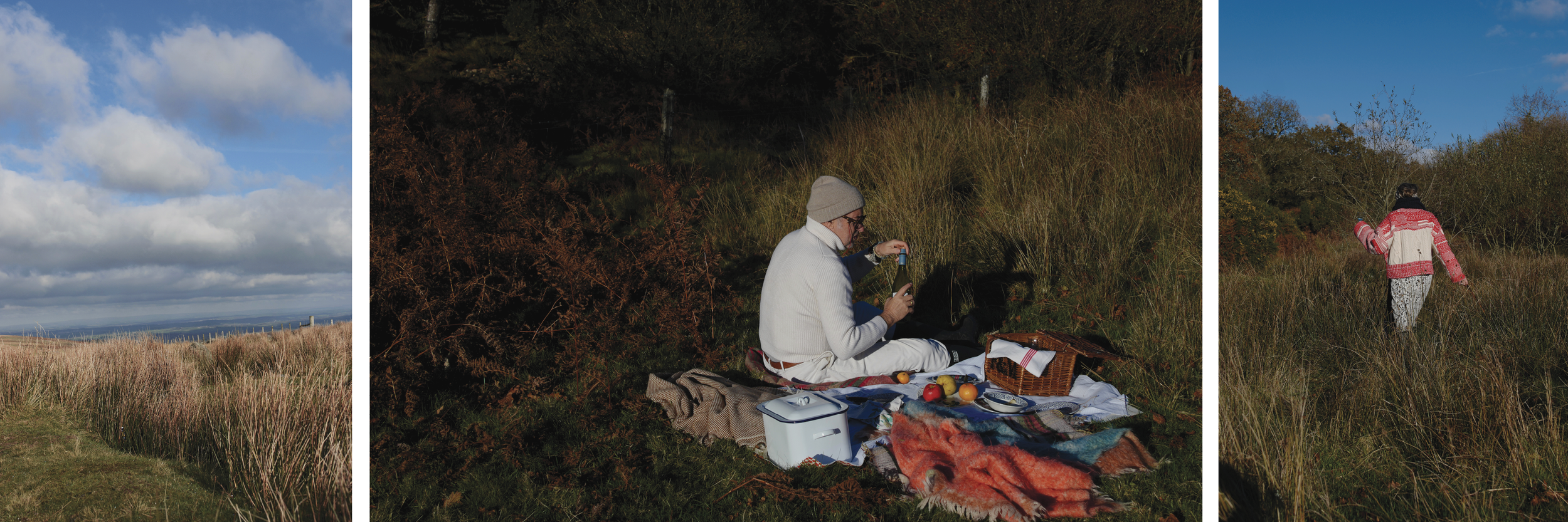
The plot is small. Not more than half an acre. Wet grass overgrown with tufts of bristle bent and dying brown heather. The oaks hold onto their russet leaves, a losing battle. The gorse cut a better deal. In life you have to pick your fights.
A stepped stile and a dog latch give access. Water rushes down a mossy brook into the Tavy, just downstream of the bridge. Somewhere near the moors between Peter Tavy and Mary Tavy. A low midday sun no gaffer could recreate. Fetching sticks from between the moorland grasses, Mr Watson knocks the bottle of Cloudy Bay over our picnic of beef Wellington and Cornish sausages.
A place for autumn.
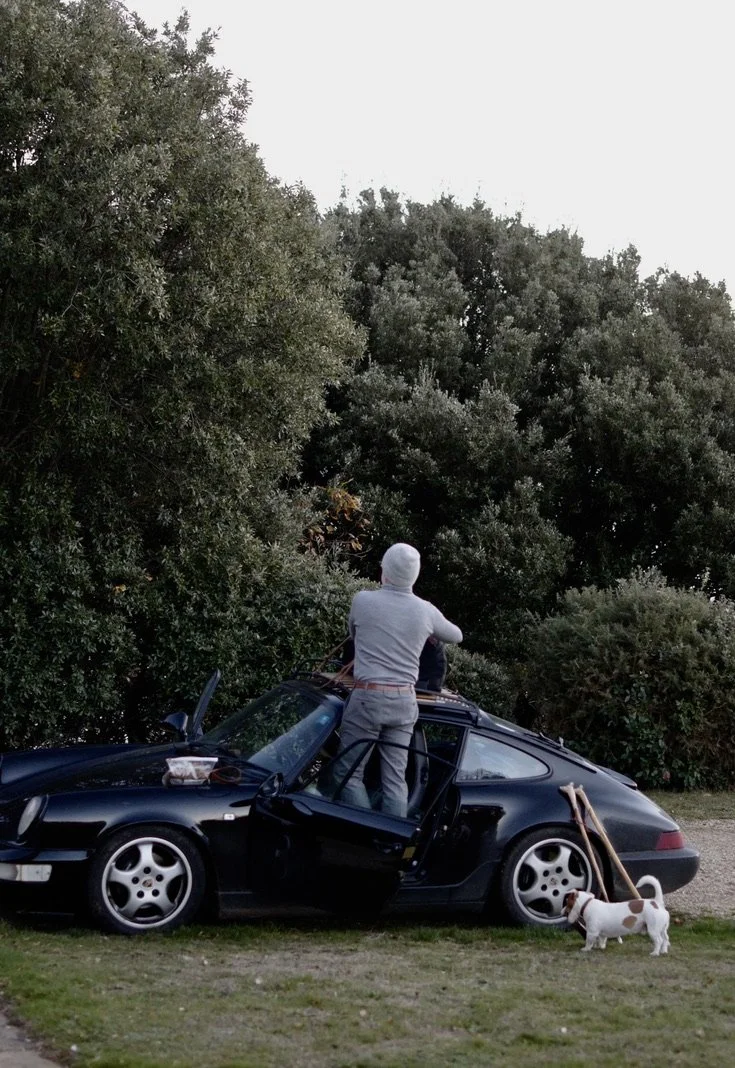
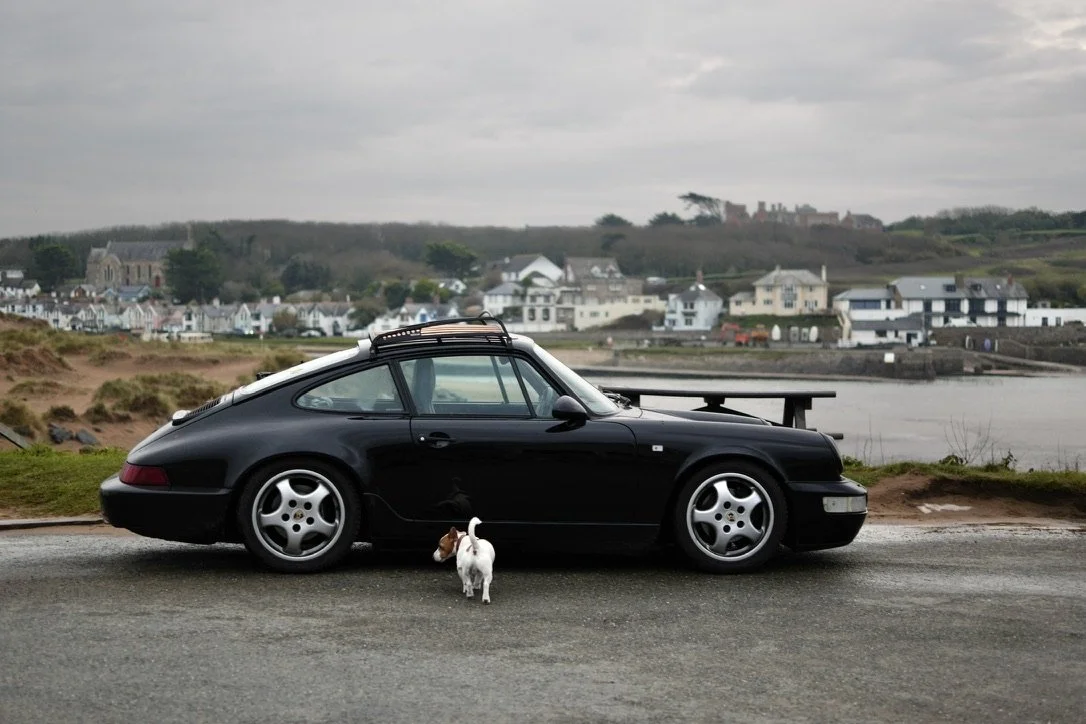
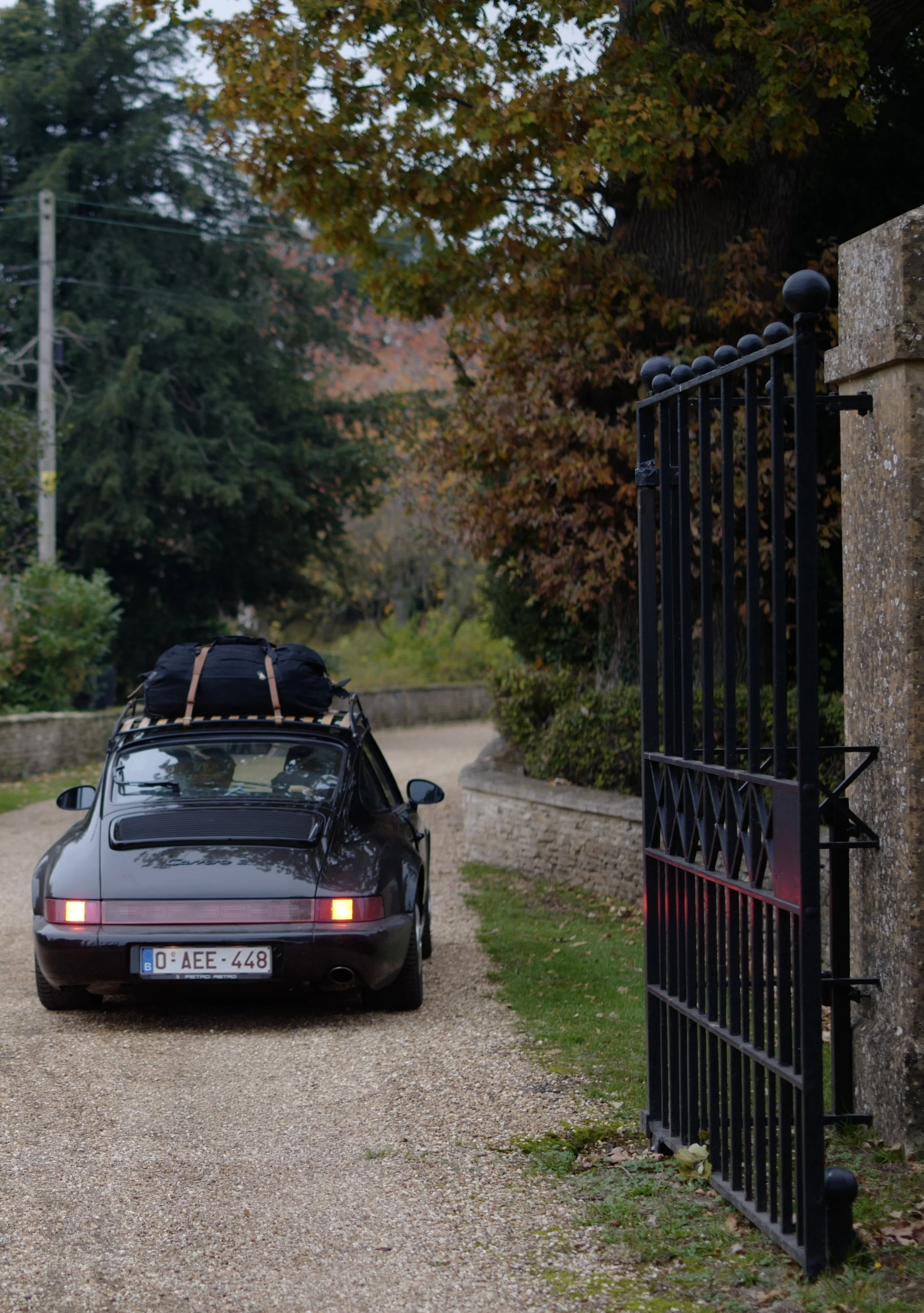
Old cars resemble old men. Their obstinacy and fickleness are frowned upon but forgiven in deference to a life well lived, roads well traveled. They demand patience and passion too, because pleasure alone won't do when the door lock decides that thirty-three years of clicking open and shut at the merest command is enough. Or when the speedometer drops to zero on the motorway, only to come alive again at the next intersection. Self-regenerative technology that's exactly half my age. But sorely lacking in me. We're taking the car for a farewell trip: two and a half thousand kilometers on English country roads—Shropshire, Devon, and Cornwall. It deserves a more delicate owner.
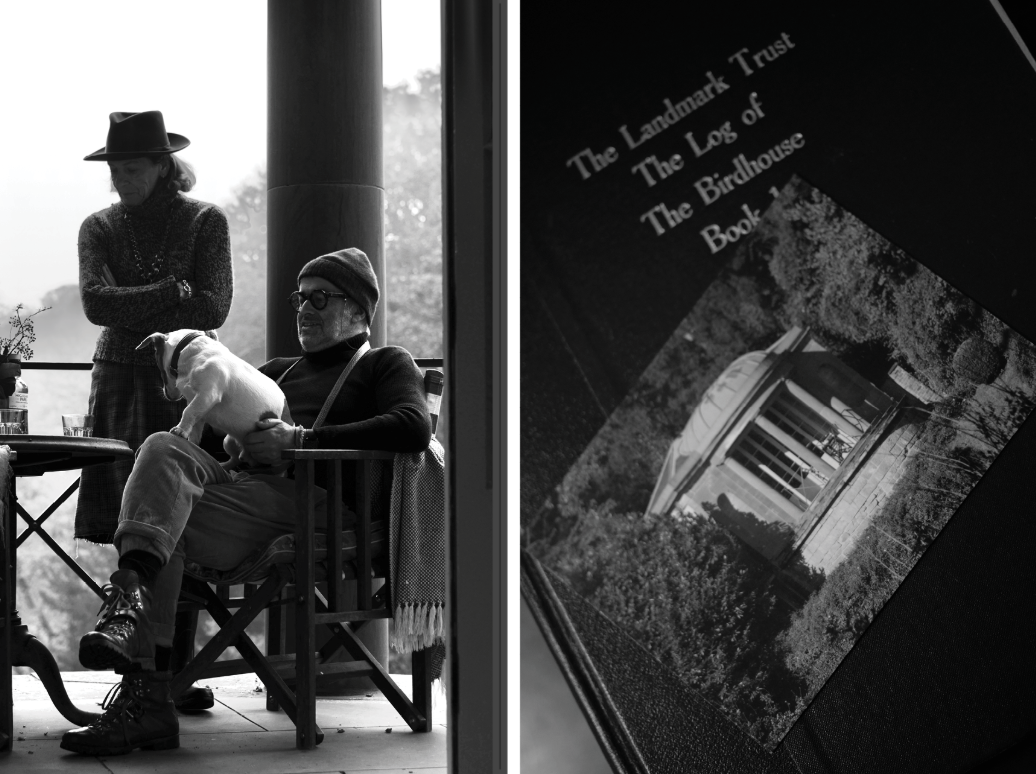
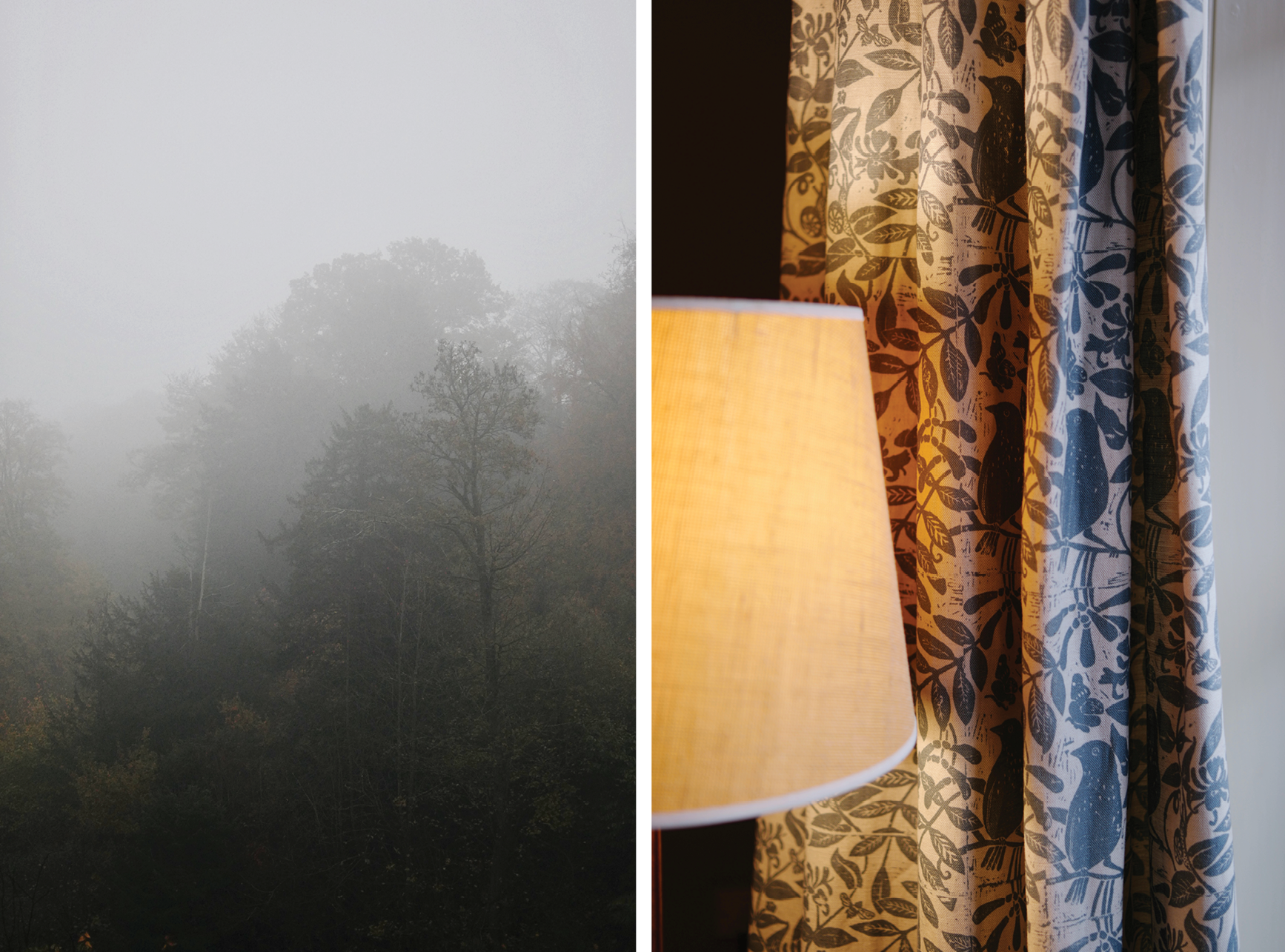
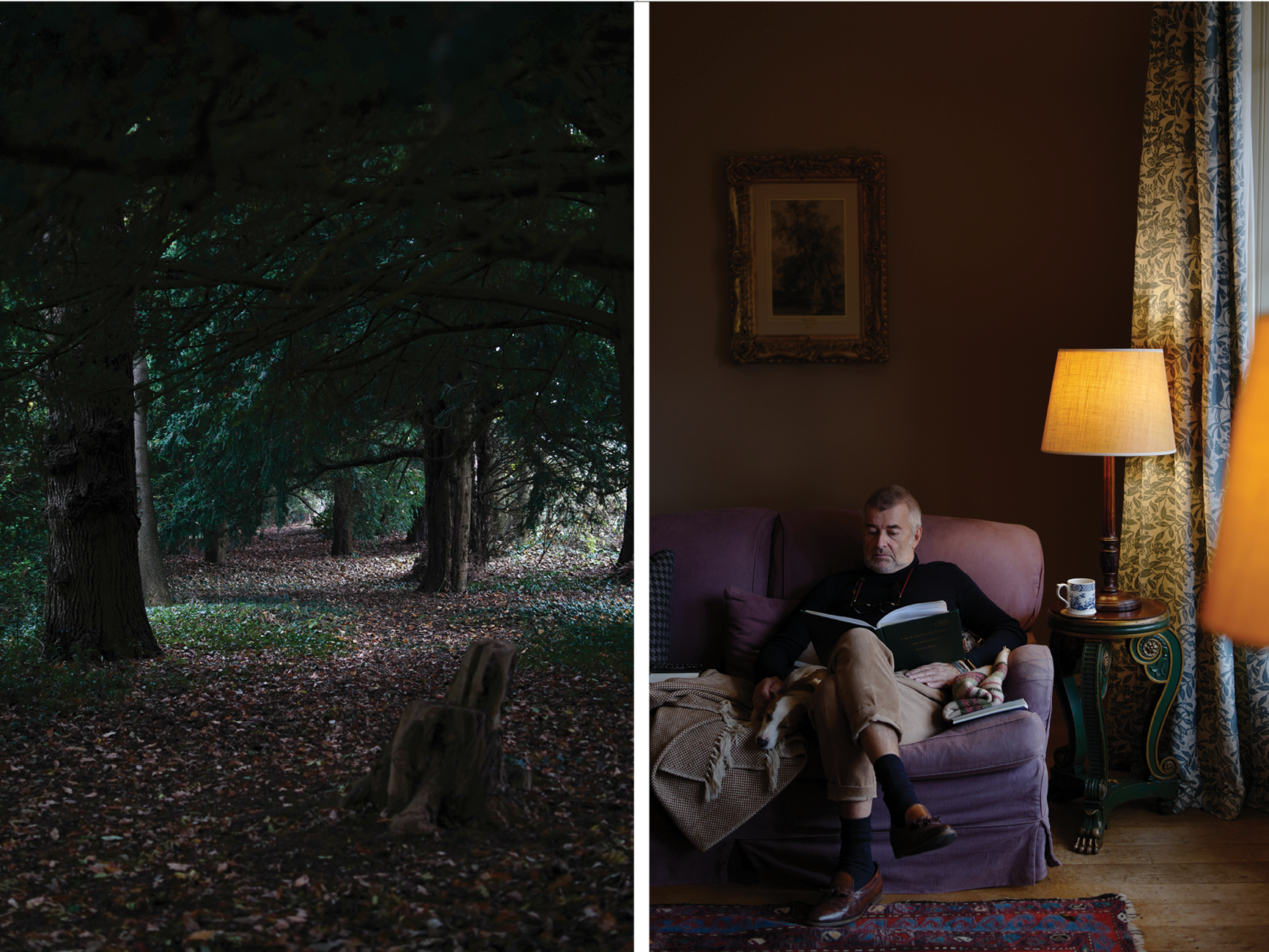
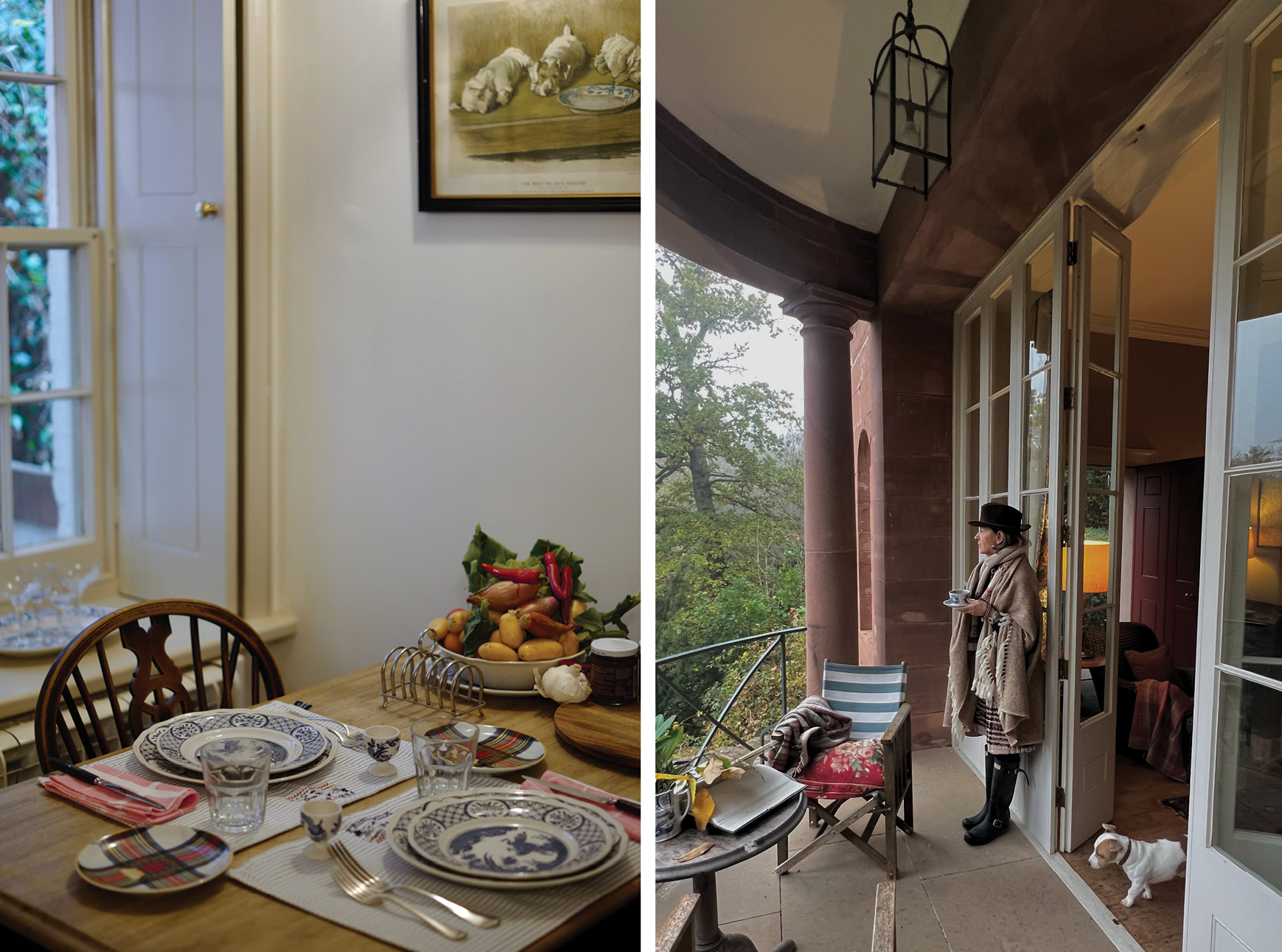
We're traveling in style. Alongside the family silver and crystal—we've been reasonable; that's just for two—we took seven coats, none of which could even remotely be described as leisurewear. Leisure is a camel dressing gown in front of an open fire. Six cashmere blankets to keep Mr Watson warm and off the furniture. And a wardrobe for every social occasion other than a walk in the woods, but that's hardly social, is it? We're guests at Landmark properties. Noblesse oblige.
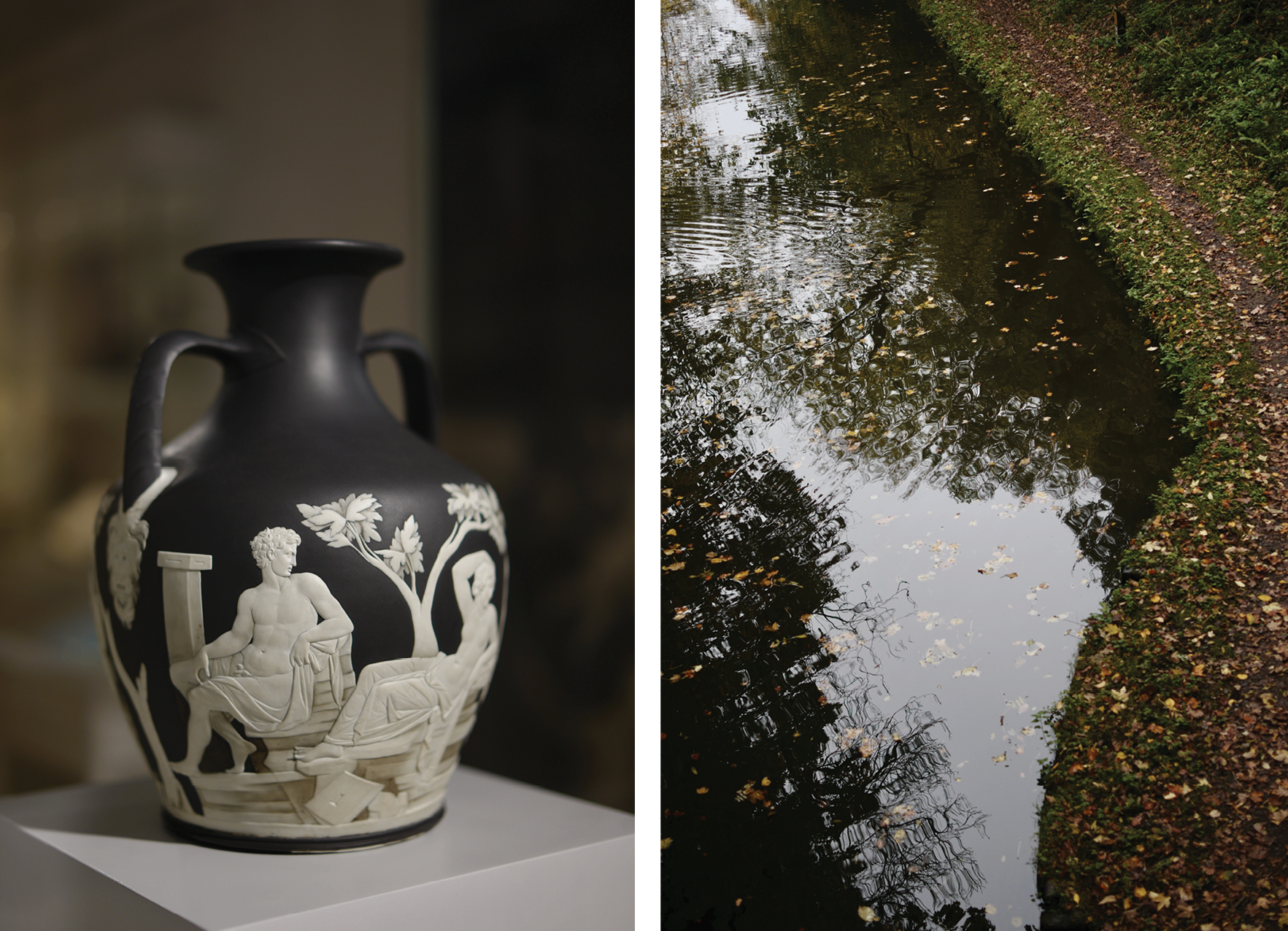
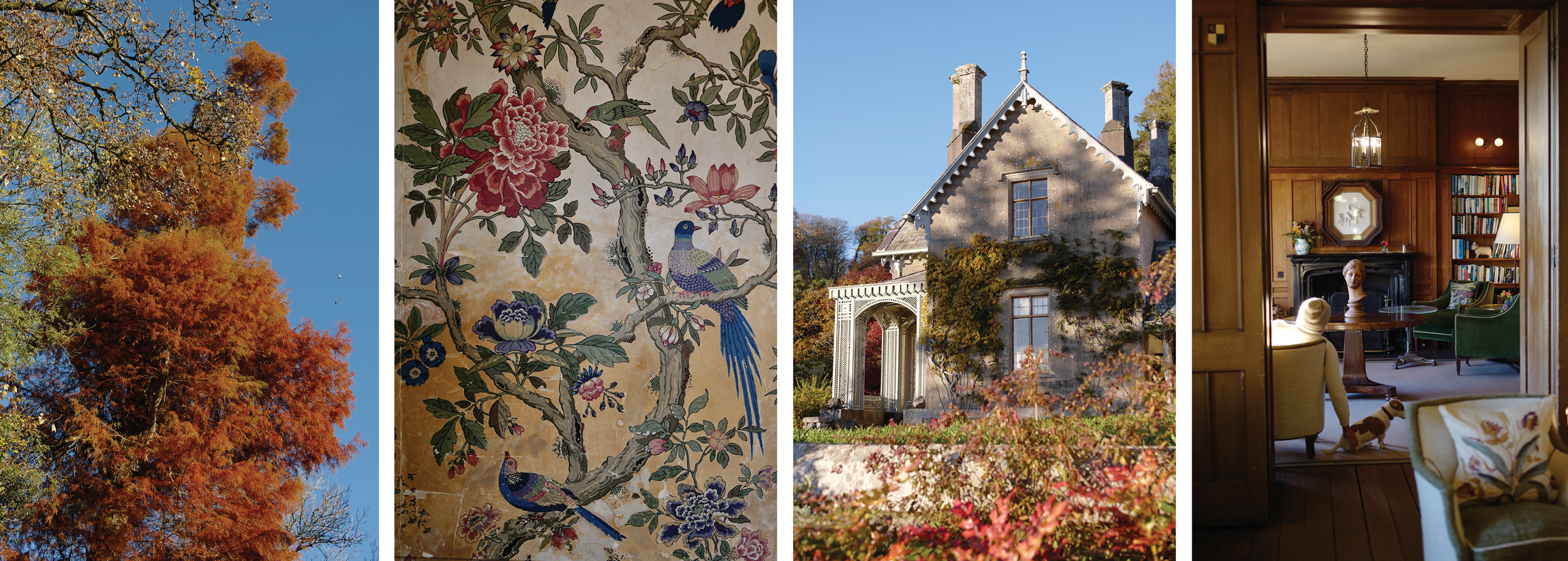
Over the years, we have stayed in a pineapple, a ruin, and a Swiss cottage. What possessed buttoned-up Brits of means to build such gloriously useless follies? Anything but the boredom of the common. The Landmark Trust offers temples, dairies, and grottos in immense pleasure gardens. Picturesque garden ornaments that hint at classical history or rural life without its smell.
We indulge in Britishness. Just for a few days. First, in a birdhouse in Shropshire.
But not before we fill up the larder—every possible space in our car's minuscule boot—at Daylesford. If business success is measured by the size of the overflow car park, Daylesford has thrived since our last visit, over a decade ago. We park between a 1960s Porsche 911R in race trim and an electric Cayenne. We're fitting in already. The farm shop has been turned into a well-managed experience in good taste. The English countryside, ready for export.
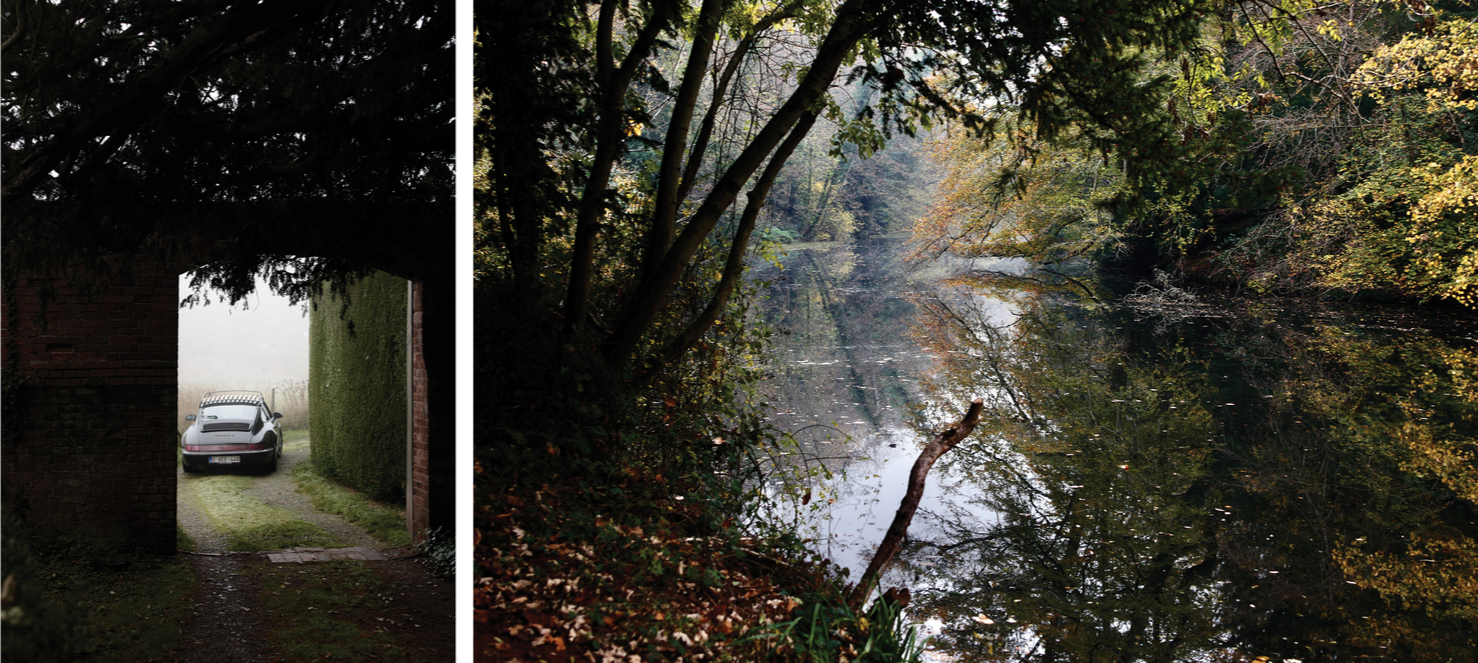
Badger is dark when we arrive. The Birdhouse lies in a dingle. There are gates to be opened. Walled gardens to be crossed and forest paths that scrape the car's floorboards. James Wyatt never had to worry about a sump. Perched in nothingness above the ravine, the house is lit and warm. A nearby owl is hooting. A fourteen-year-old Orkney malt is waiting.
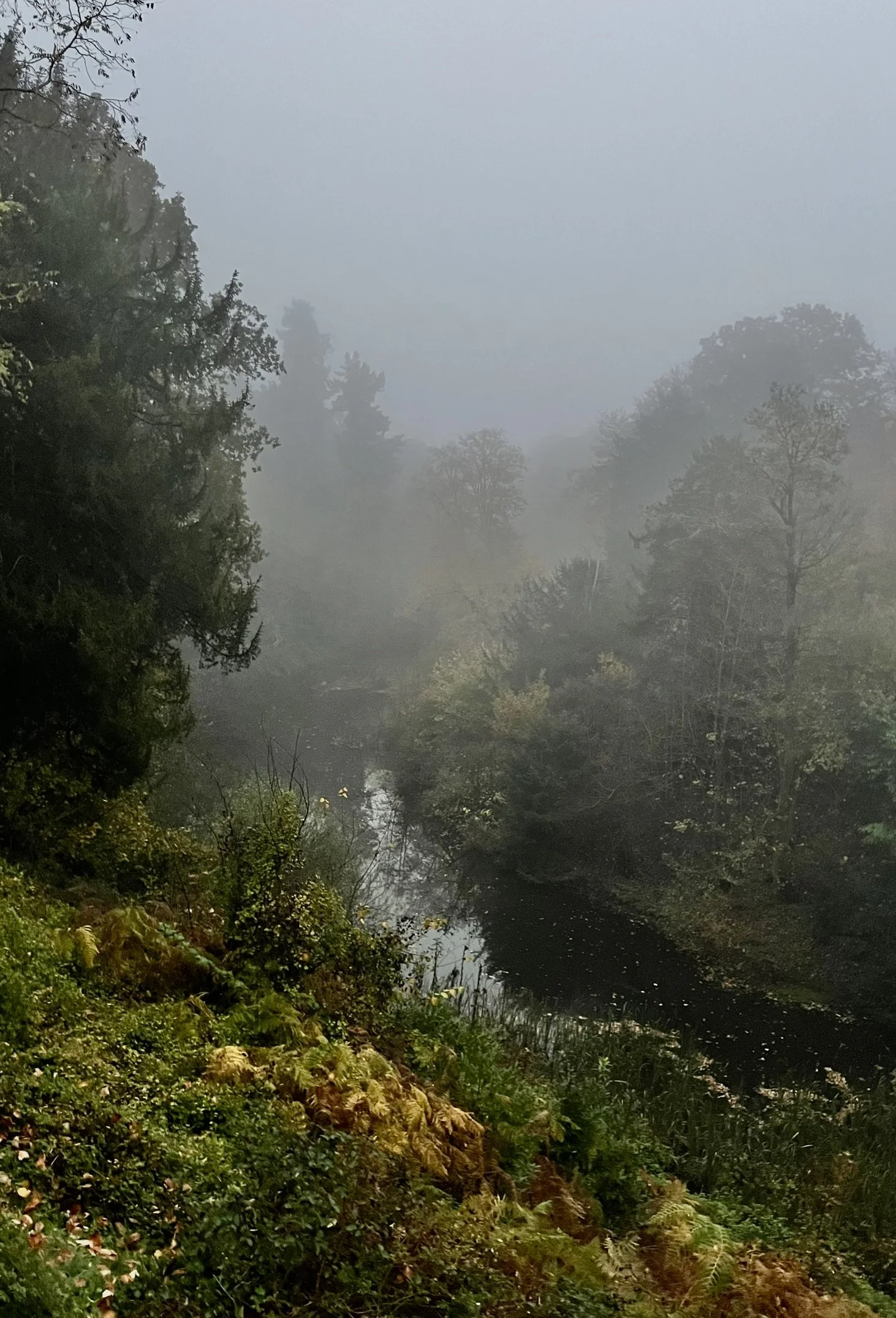
At seven in the morning the landscape is a suggestion. Turner, framed by the Tuscan columns of the Birdhouse's open portico. A single birch burns yellow against the yews through the fog. The Upper Pool lies black and still. A gray squirrel sways at the top of a hazel tree, undisturbed by our presence. Mr Watson isn't.
By the time we leave Shropshire, we've got loading the car down to a fine art. Two large Ralph Lauren travel totes in Black Watch tartan fit upright on the rear seats, if that's what you can call these contraptions. A well-stocked Fortnum & Mason wicker hamper fits in between. A place to park with a view along a quiet country road beats any service station. We raise the spoiler to serve as our picnic table. The engine cools and ticks underneath it. A farmer gives us an OK sign from his tractor.
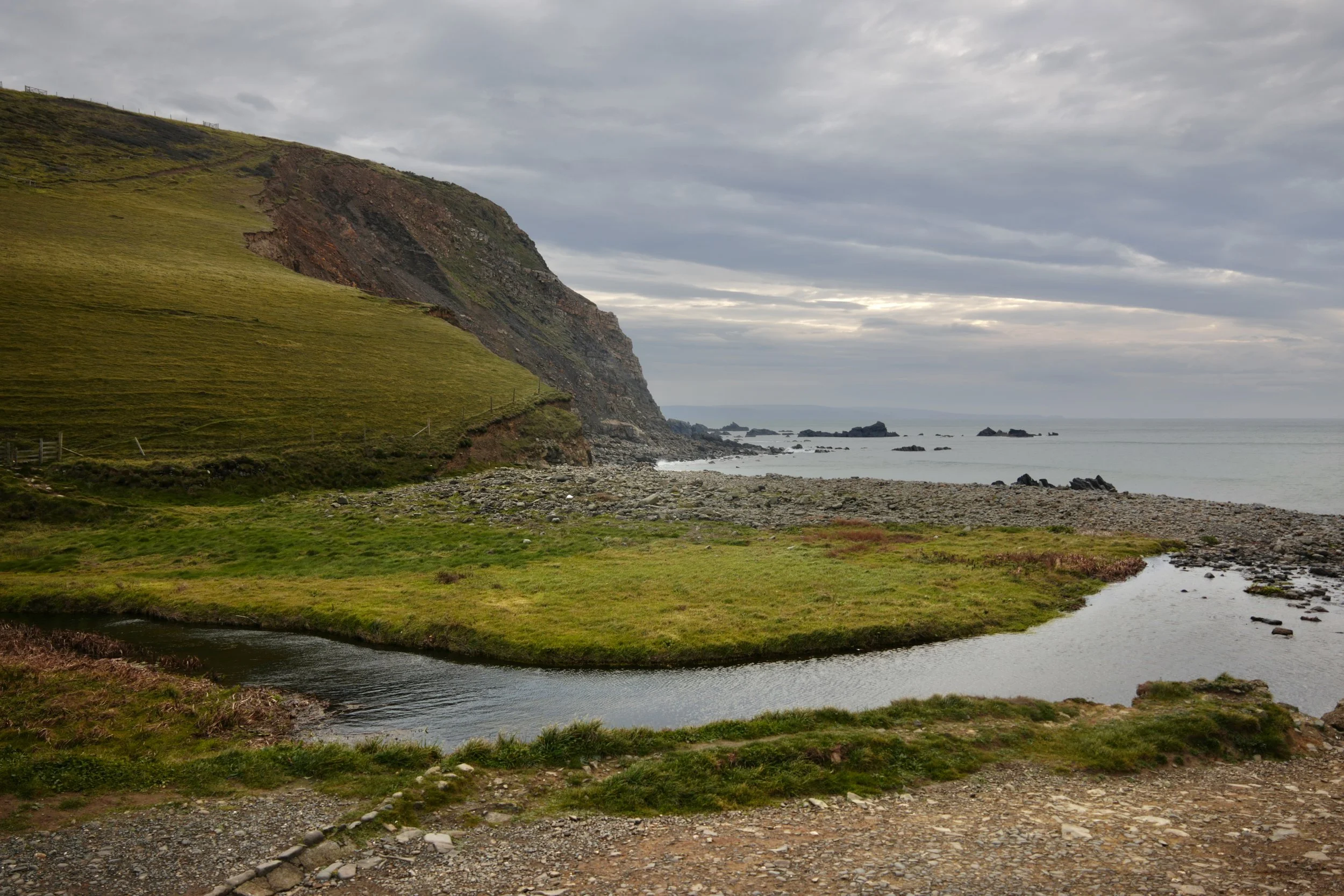
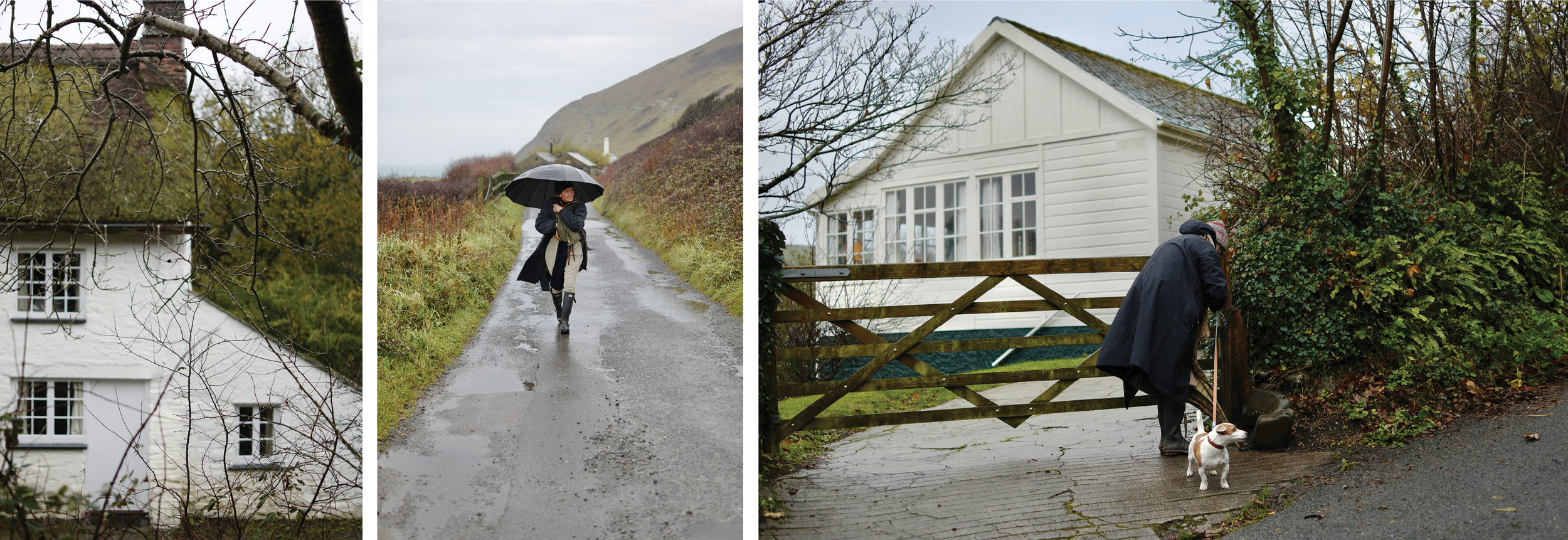
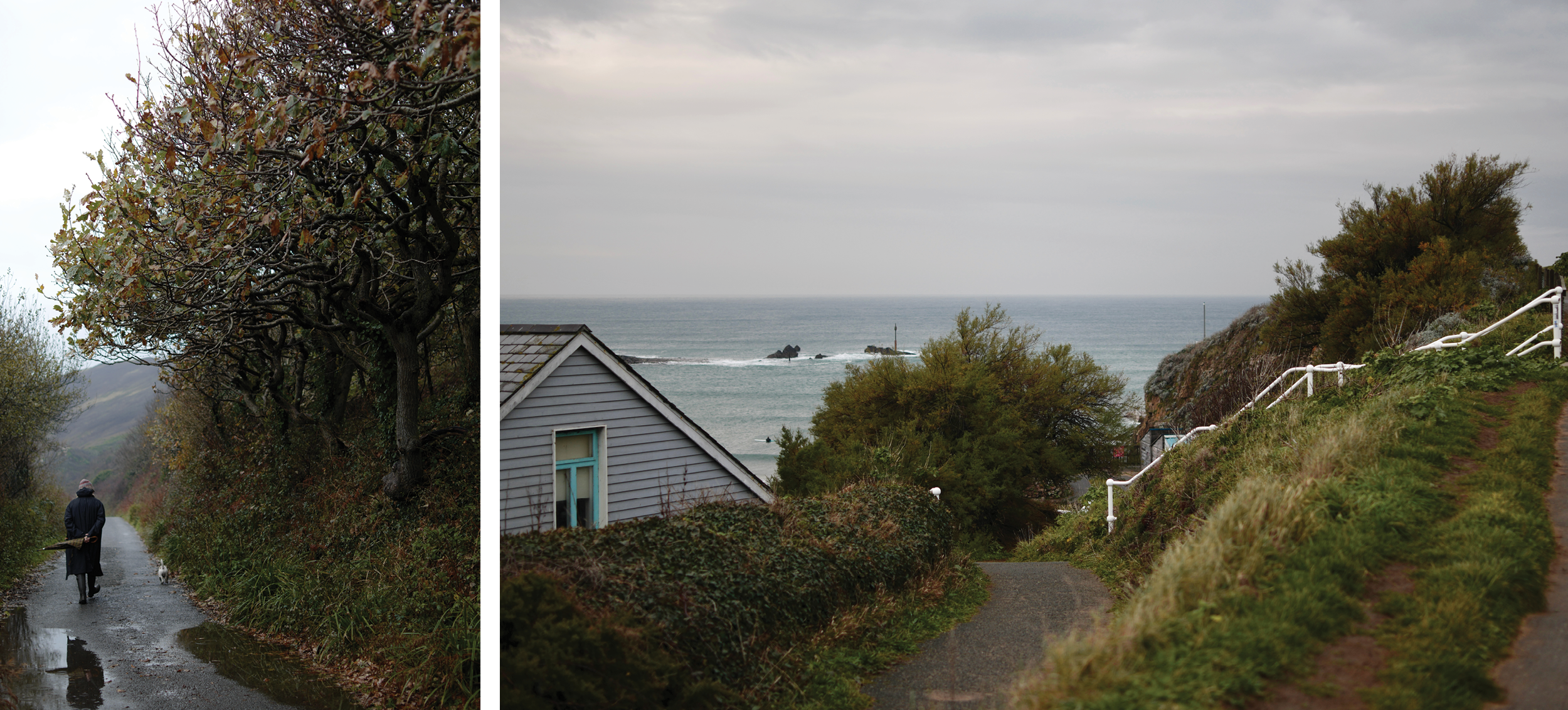
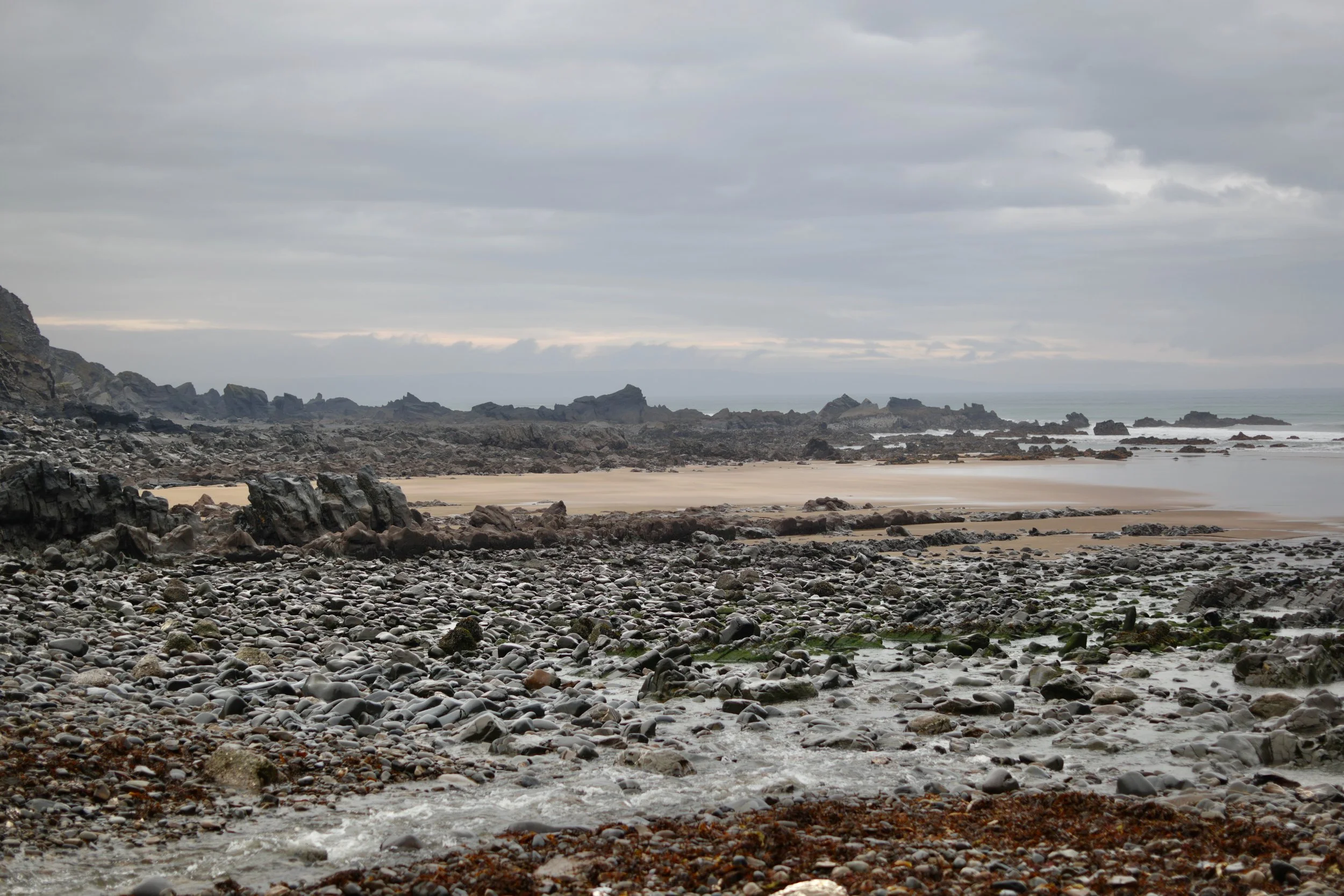
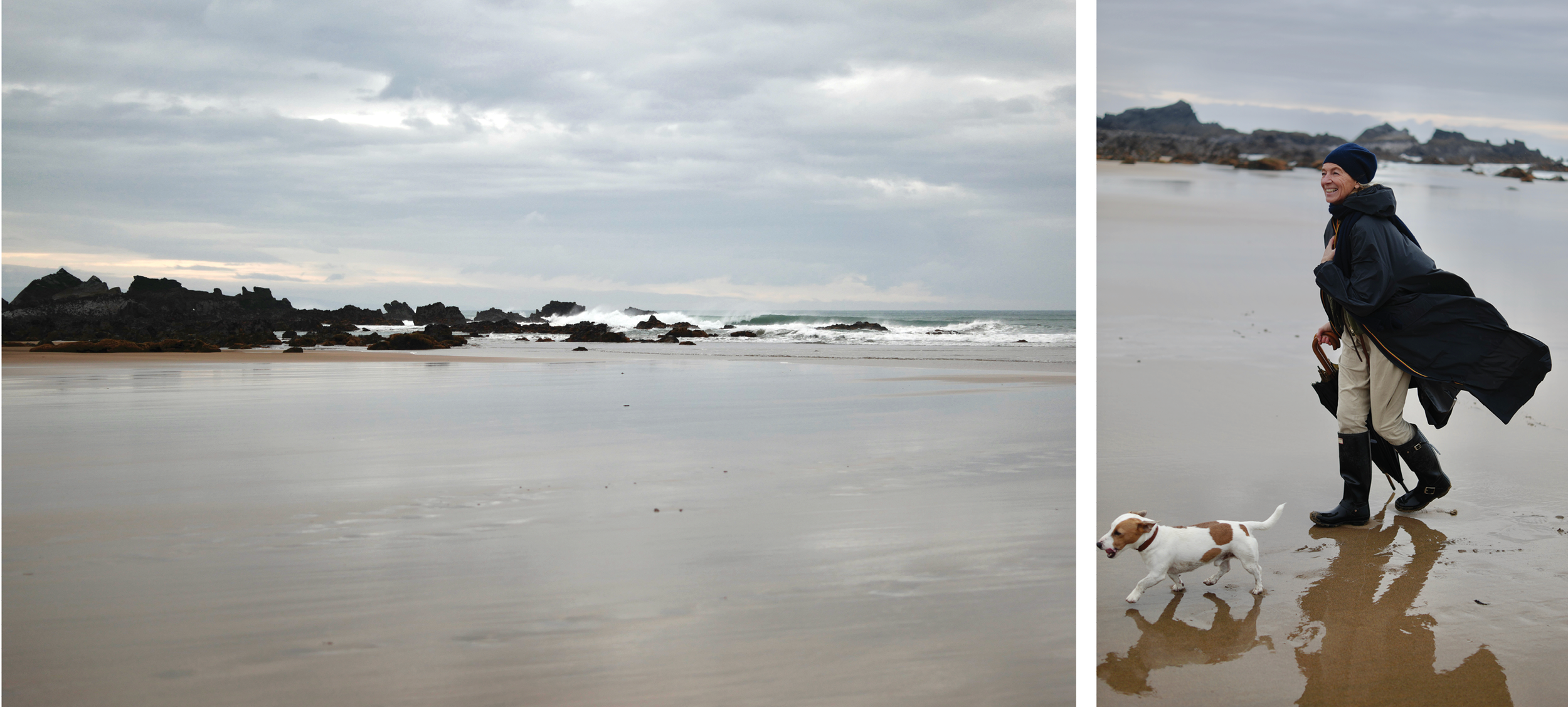
Malibu surfers don't duck-dive in cold Cornish waters. Two battered Volkswagen vans are parked in the rock-strewn car park of Duckpool. They sway gently on their worn-out suspension in the strong westerly. A young woman is bundled up in one of them. In the cold, her eyes and mouth have narrowed to colorless slits. A Modigliani in a gale. Her Pacific blue beanie is the only suggestion of warmth in the cabin. Her friend is clambering barefoot over the rocks and pebbles carrying a shortboard, his wetsuit dripping. Cornish men have insulated feet.
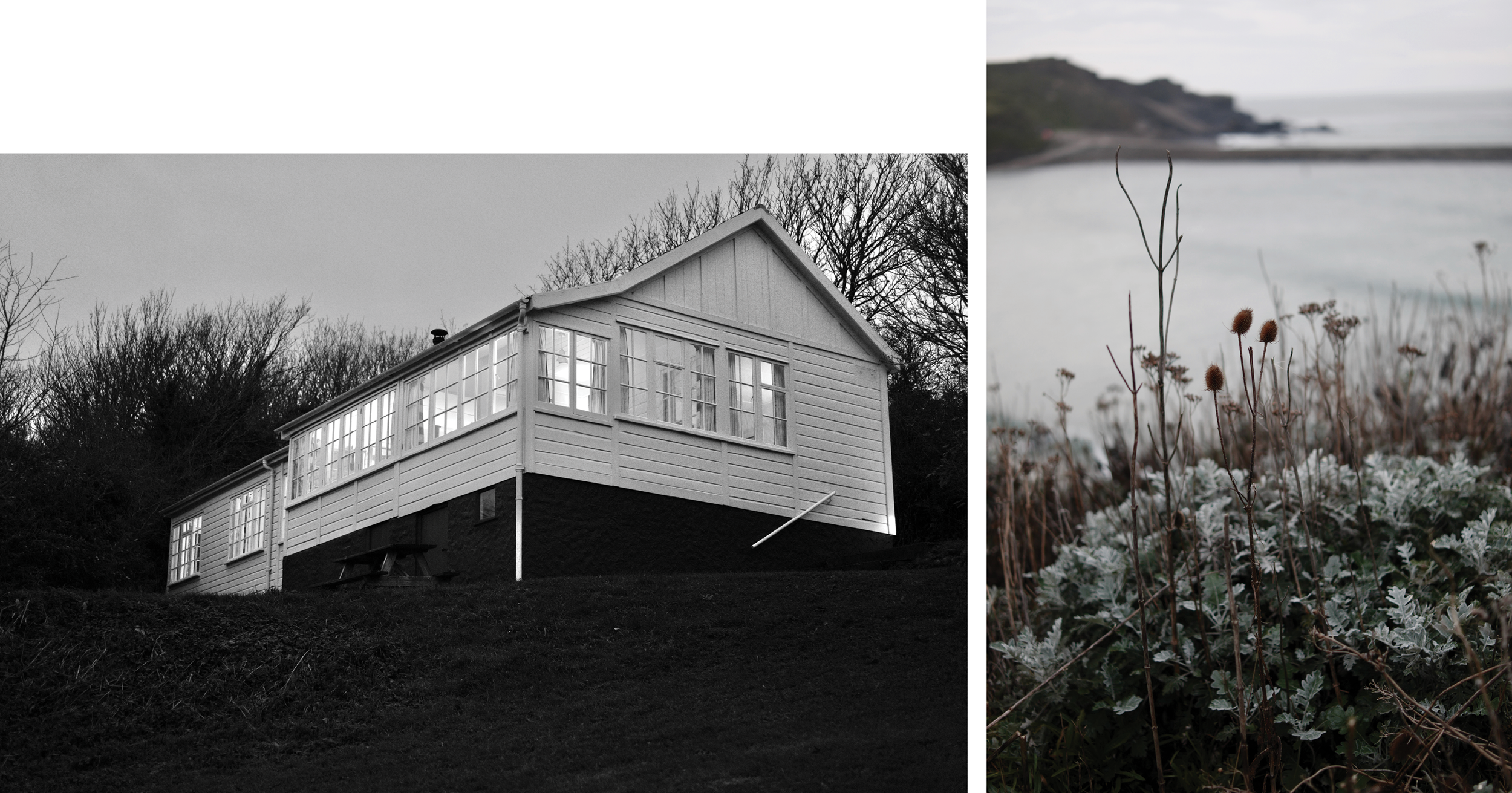
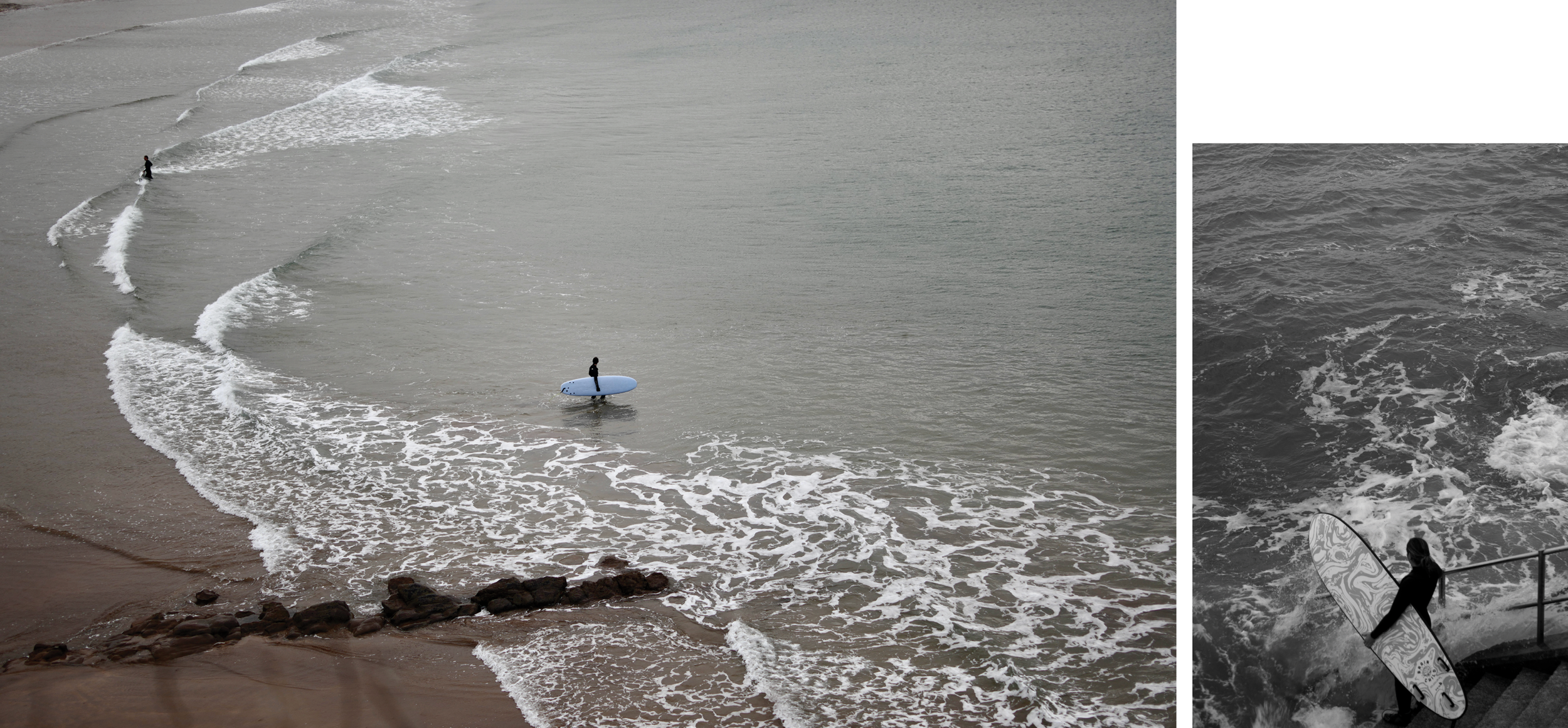
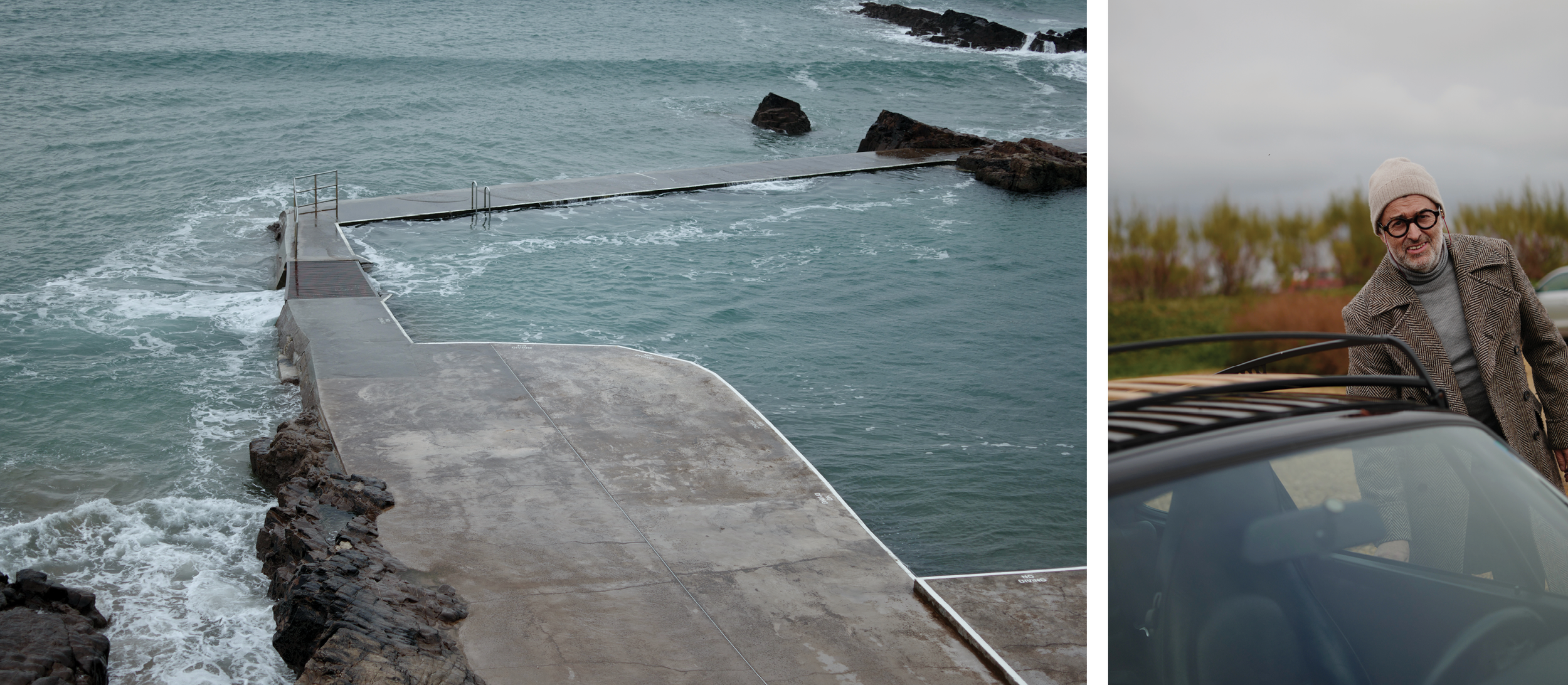
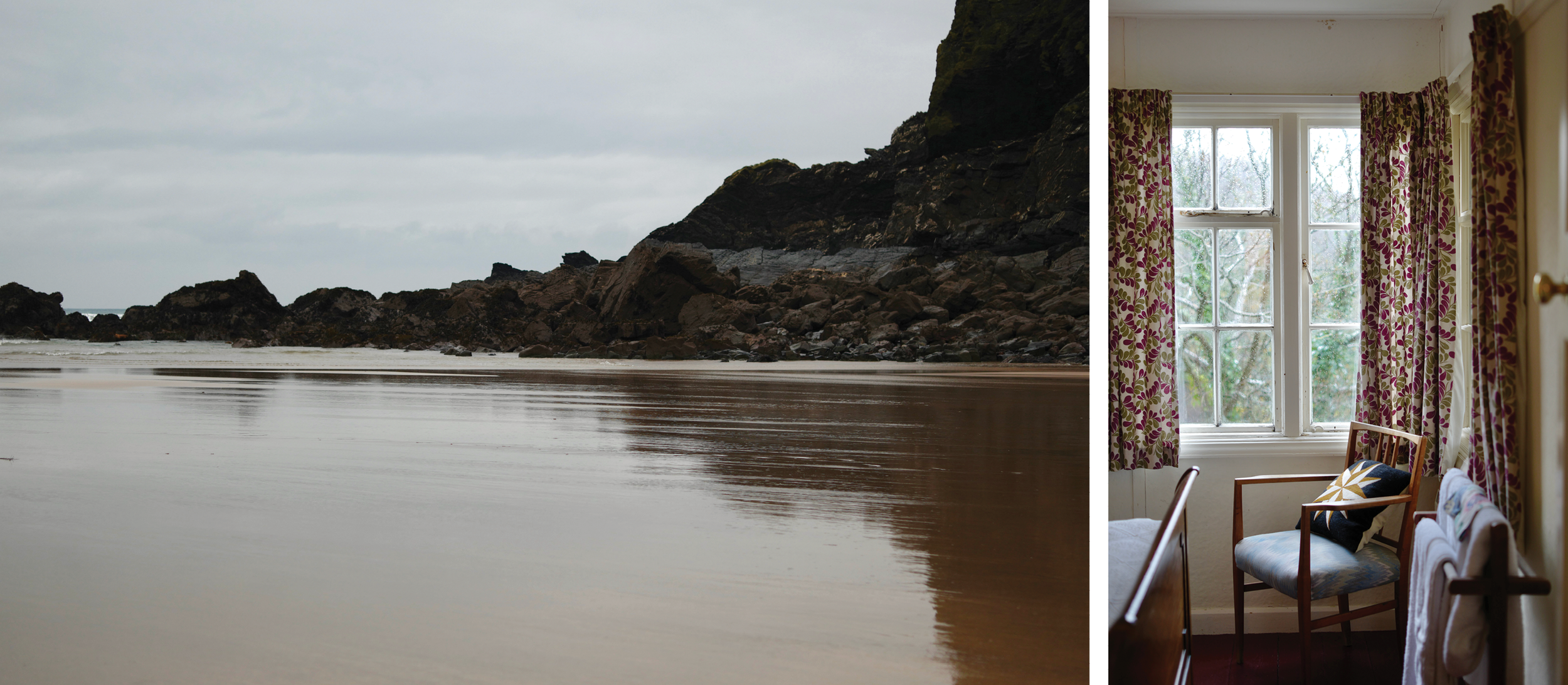
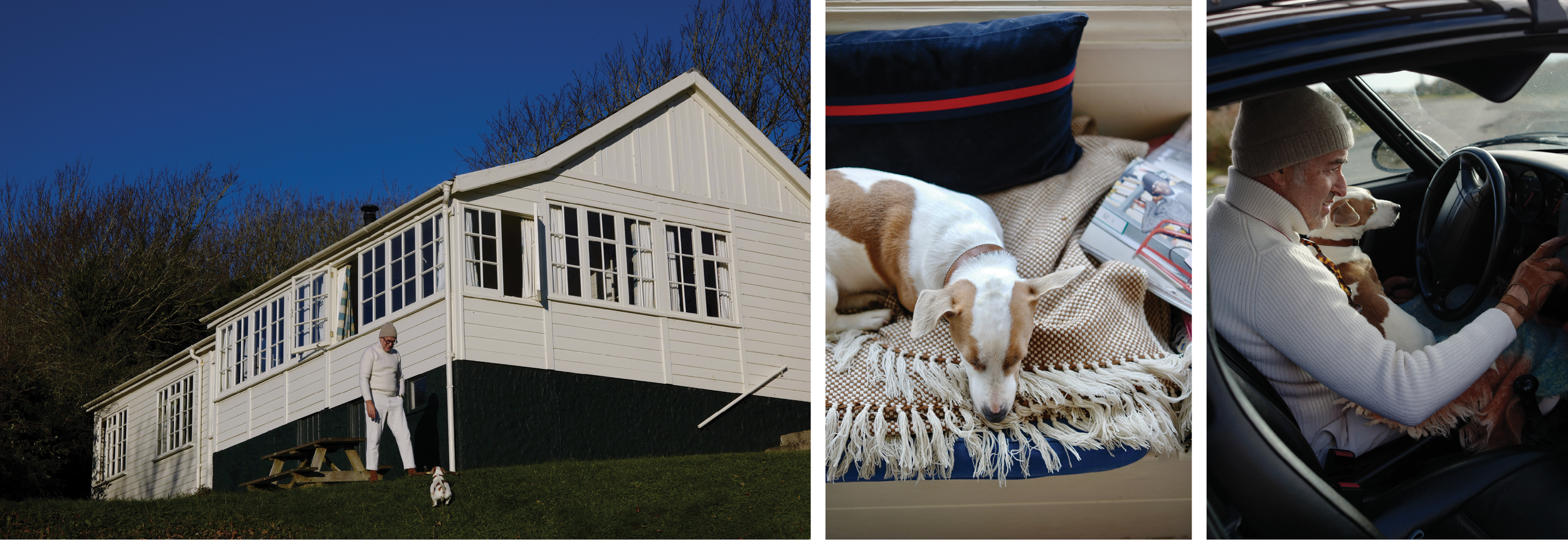
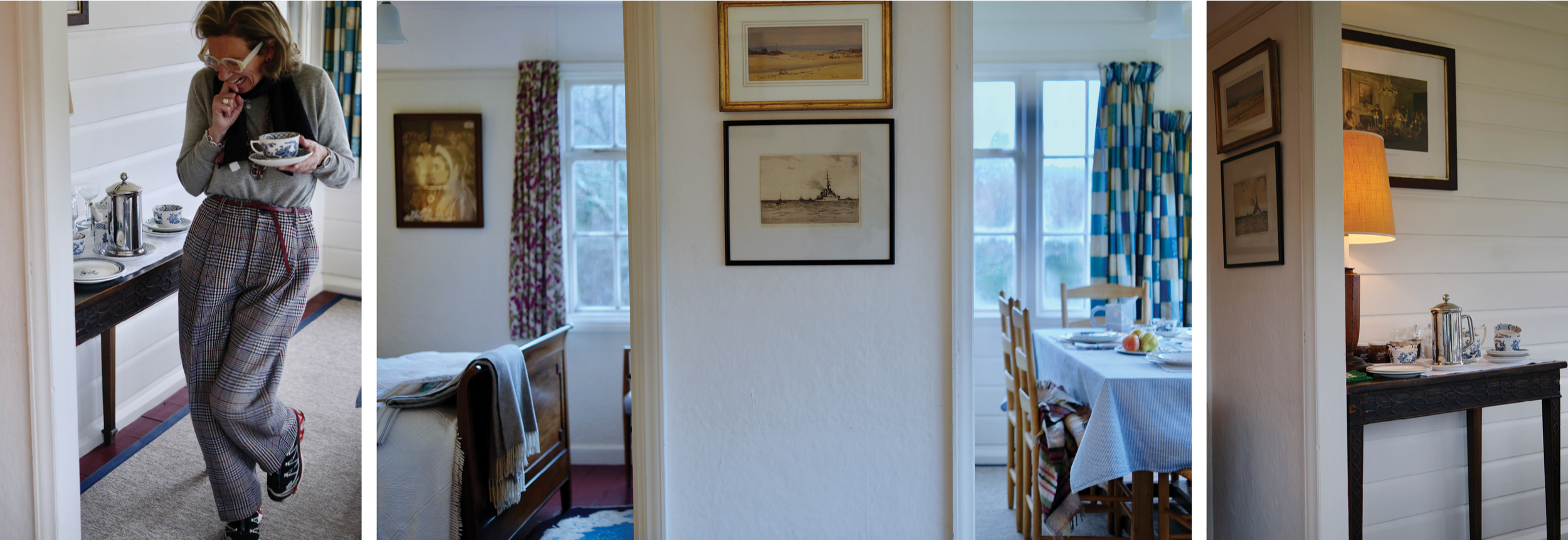
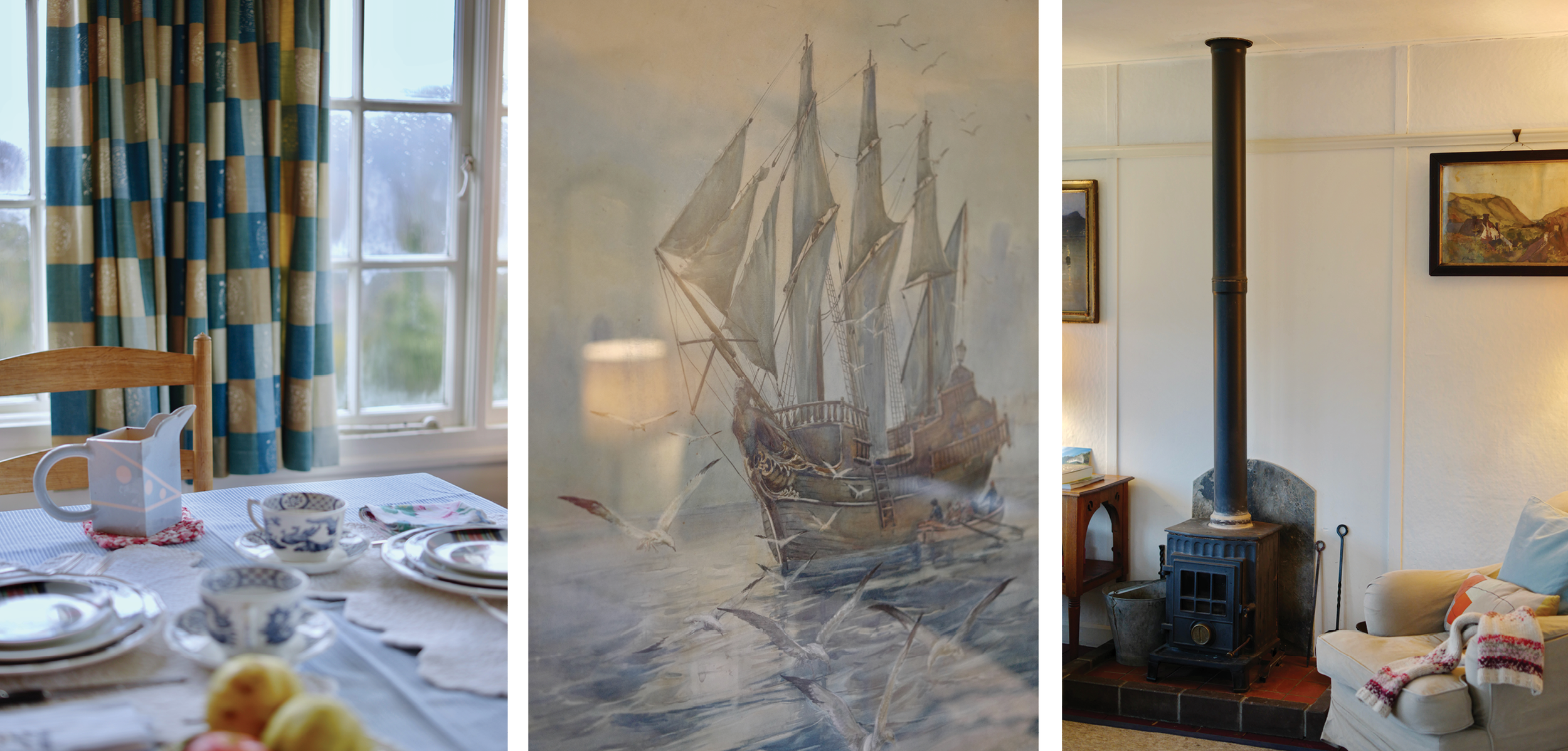
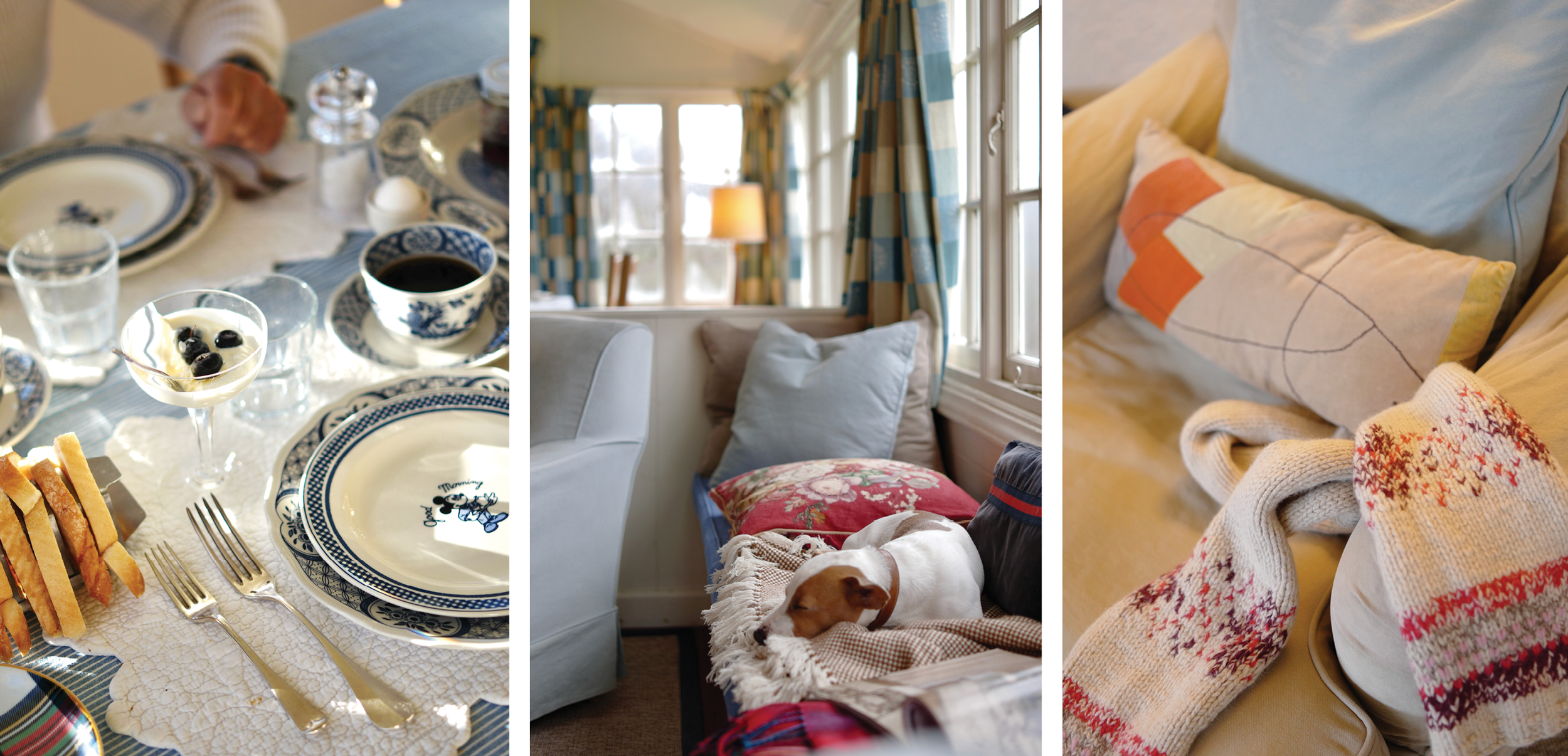
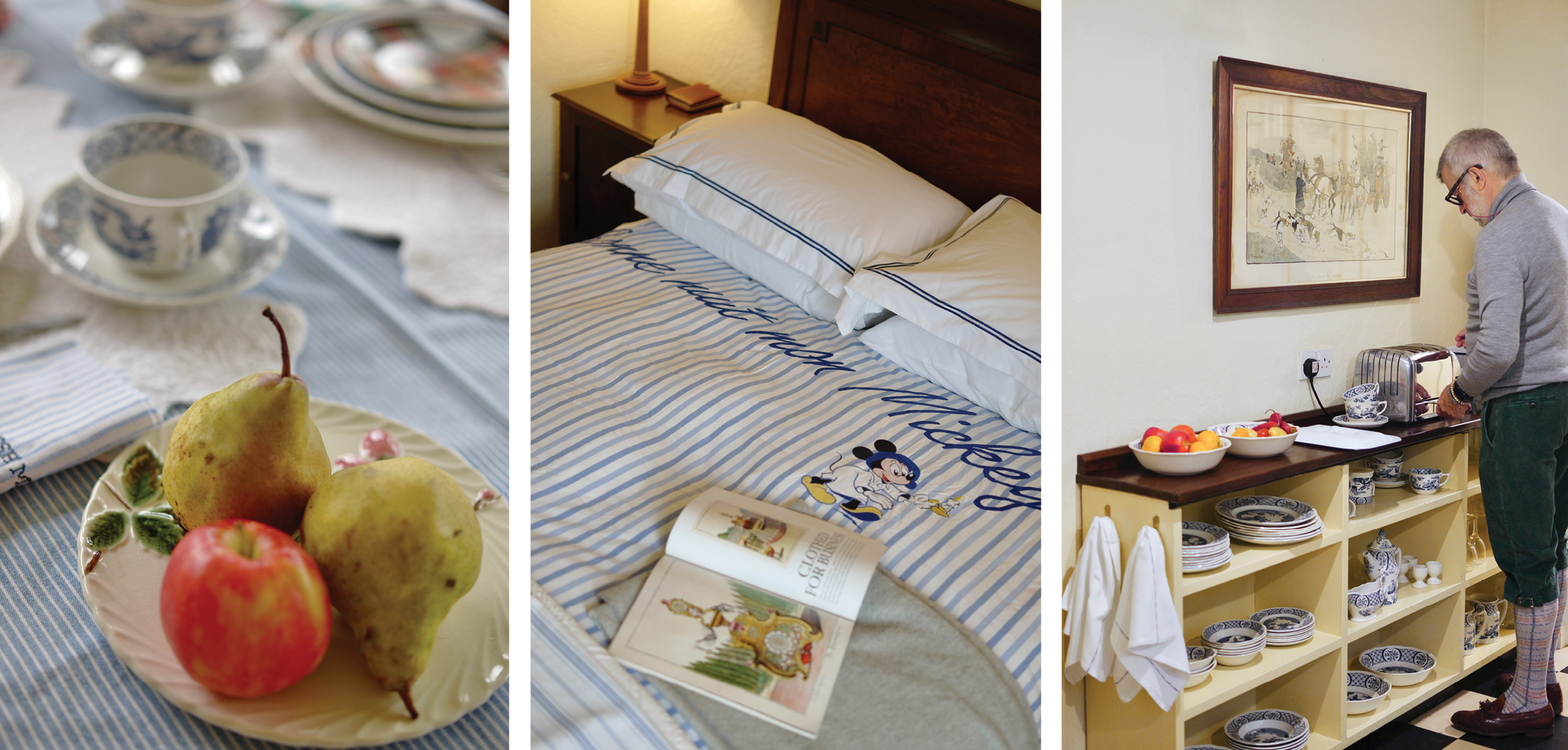
Up the road lies the hamlet of Coombe, built around a water mill. Whitewashed houses with thatched roofs and small windows against the coastal wind and rain. We're staying at Coombe Corner, a century-old bungalow built for the view and the sun. Light streams in from early morning. The master bedroom window opens into the dining room, with the view beyond. Voyeurism both ways, even if it's just the two of us. Across the valley we see the deer racing along the fields, their white rears missing race bibs.
I don't even have to look at R to know what she's thinking when we drive along the coastal road south of Bude. Criticism hangs heavily in the car. So does a whiff of oil.
It takes her longer than I expected.
"Where have all the English architects disappeared to?"
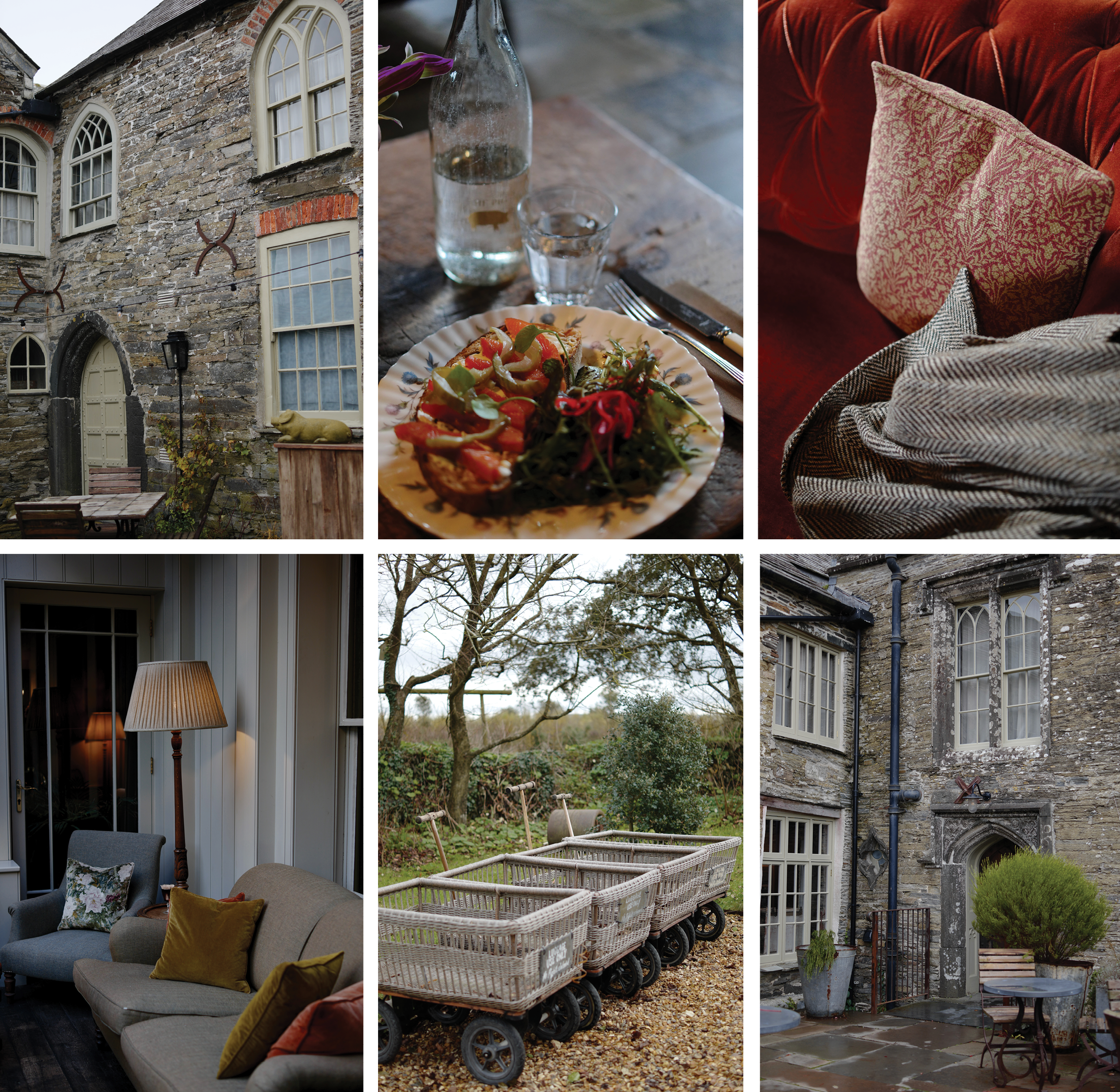
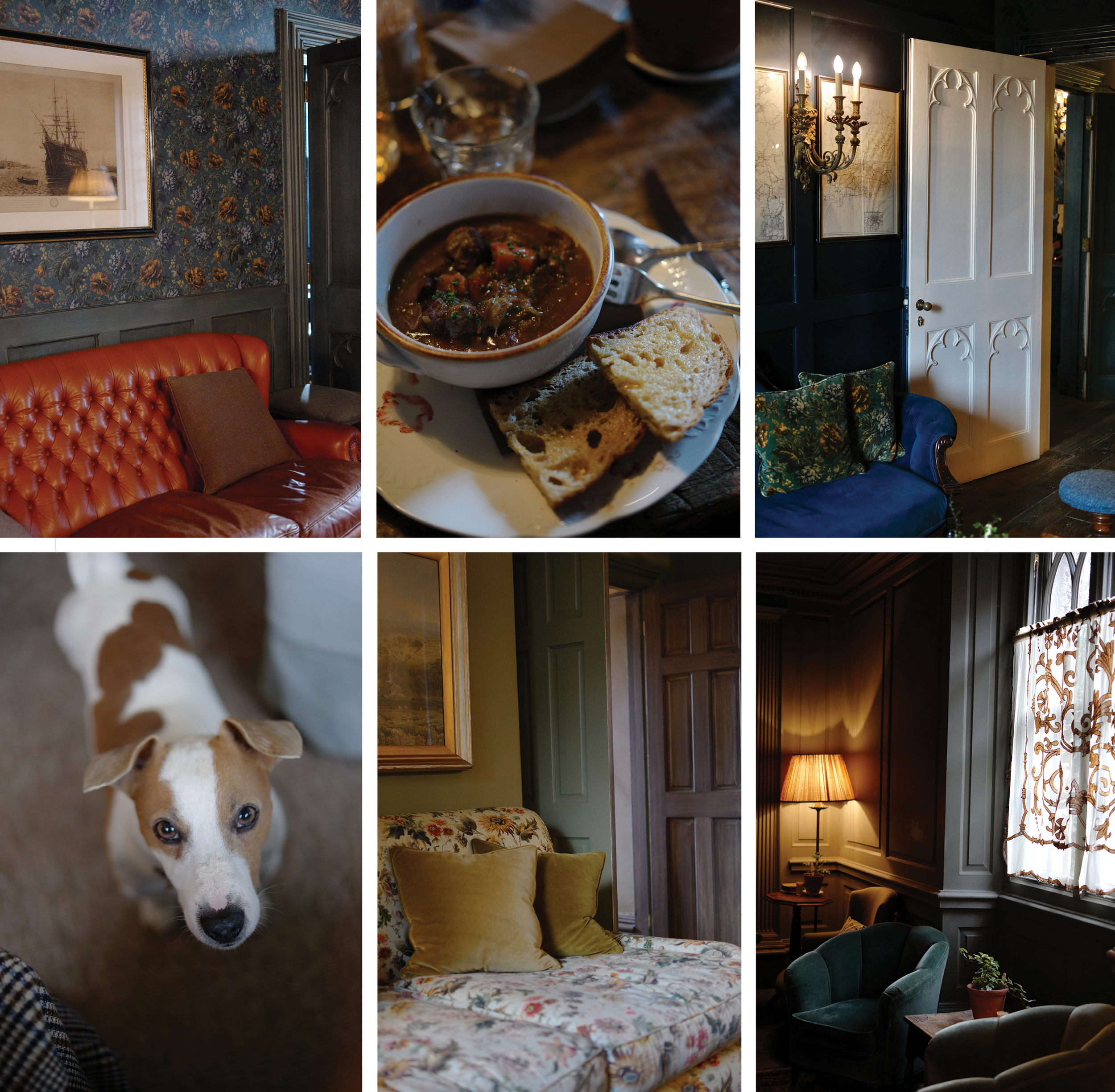
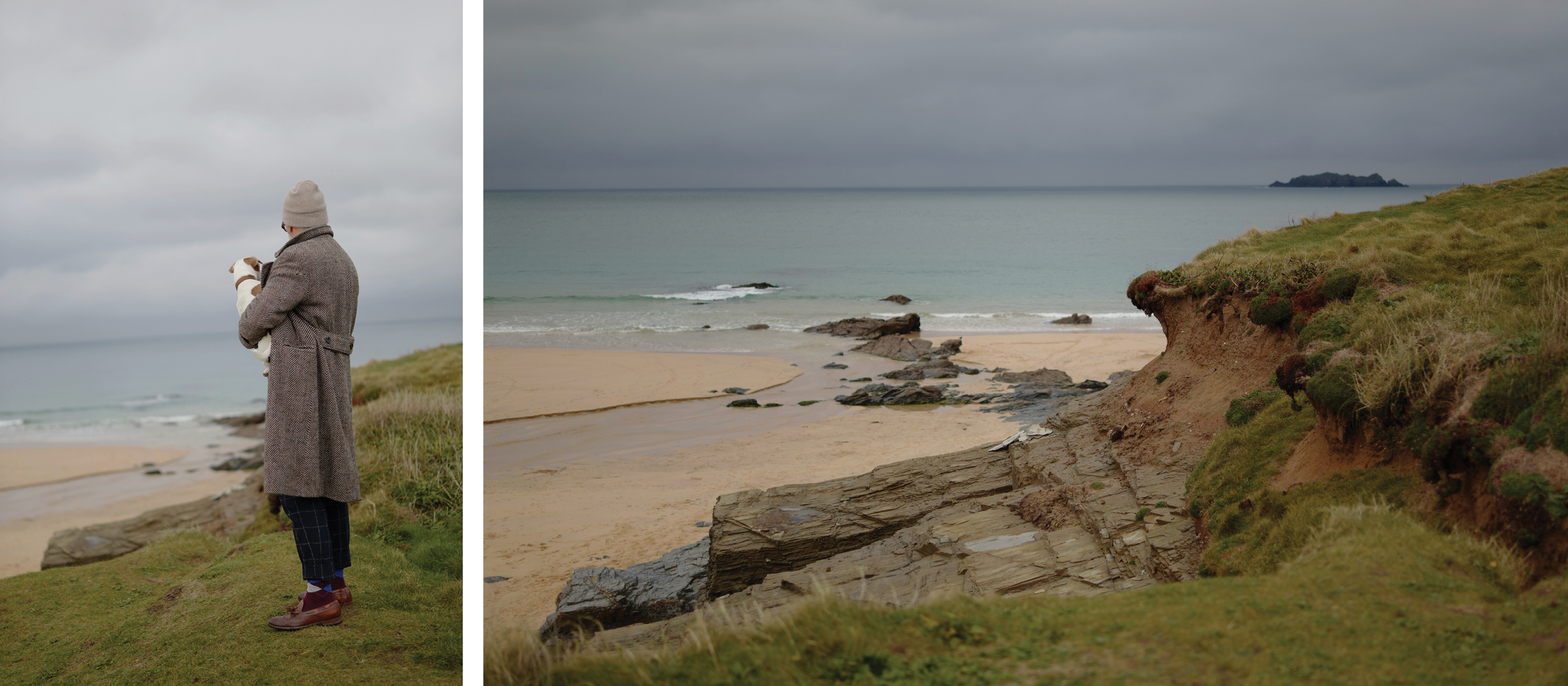
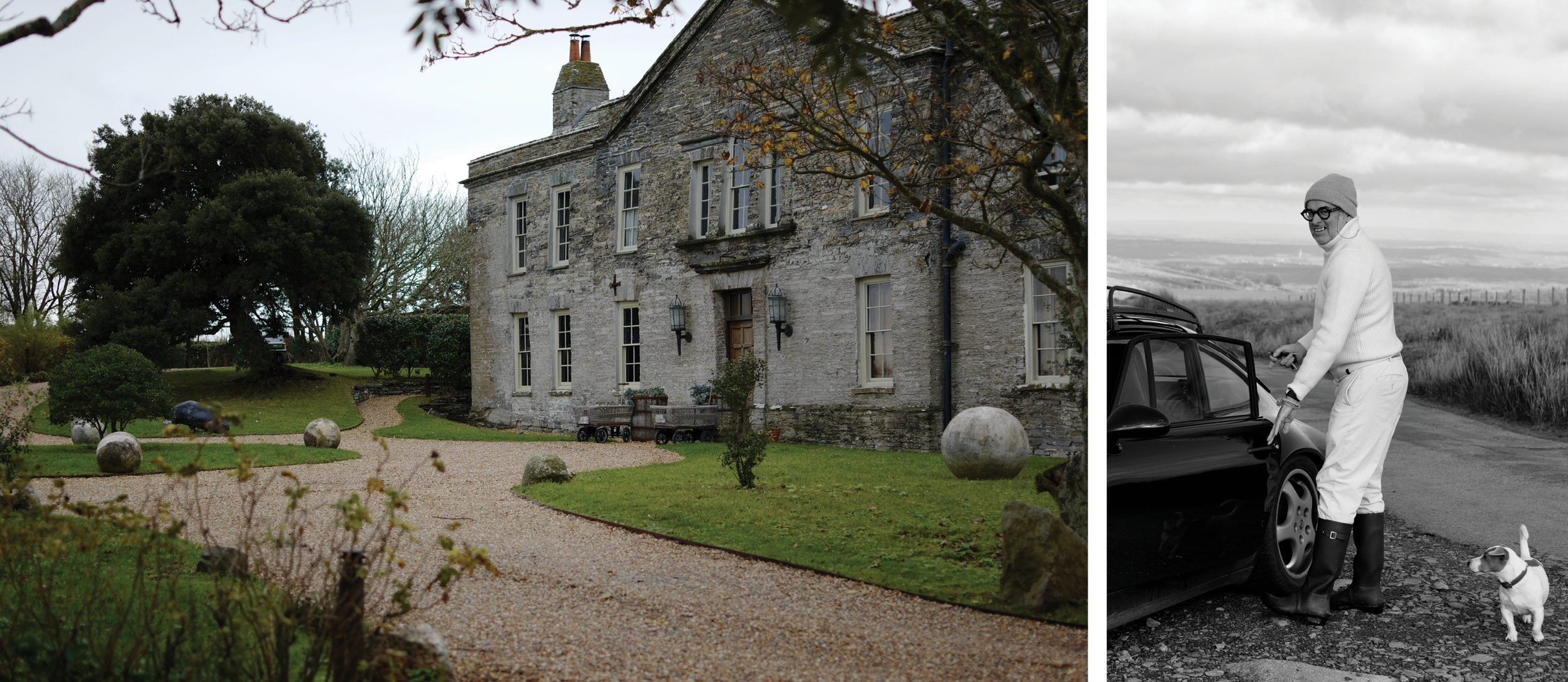
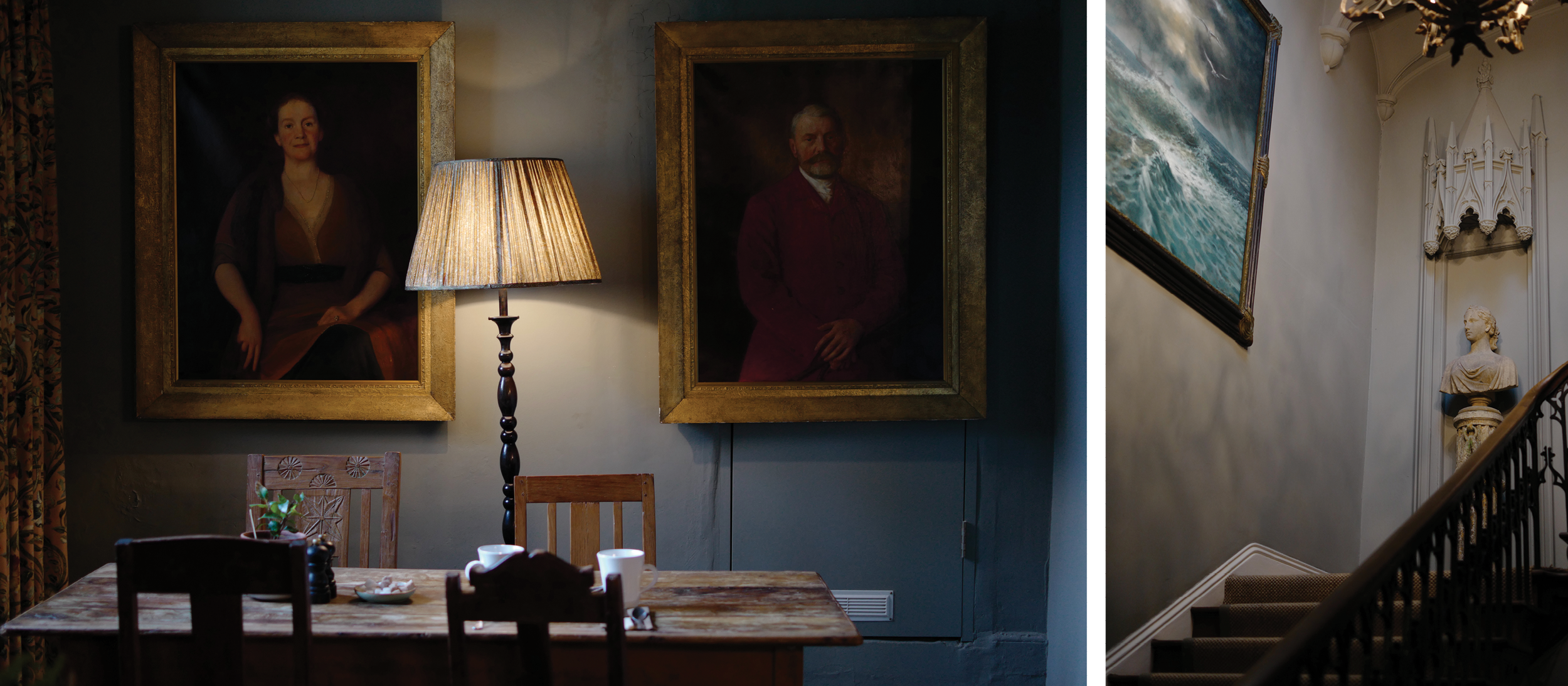
There are even fewer interesting buildings along the Cornish coastline than there are fishmongers. Harlyn Bay is stunning, as long as you don't look inland. It's a ten-minute walk to The Pig: the comfort of a working farm, without its smell. The country-house atmosphere with its flea-market paintings—off-kilter, done right. The fresh seafood we've been yearning for. If only we'd come in summer.
But it's autumn. The sea fog moves in.
I've saved our picnic spot on Google Maps. Added a note to it: to think about dying.
Subscribe to get full access to the newsletter and publication archives.
THE ÆSTHETIC NOMADS BLUE BOOK: THE ENGLISH COUNTRYSIDE
LANDMARK TRUST
Since 1965 this charity has saved two hundred historic buildings at risk. Each of them unique. Britishness at its most picturesque. Arrive in daytime if you are not an explorer. We stayed at the Birdhouse in Badger and Coombe Corner near Bude.
https://www.landmarktrust.org.uk/
DAYLESFORD
Pioneers in organic farming since the 1970s, the Bamford family turned a farm shop into a luxury brand. Losing some of its uniqueness, sure, but still the place to fill the larder for a weekend of country living.
https://www.daylesford.com/
THE PIG AT HARLYN BAY
The most elegant gardeners in Cornwall and thereabouts. Cool people farming cool veg. Guess what the guests look like. A goaty welcome from Lincoln upon arrival. And, of course, you can stay there too. Local seafood in summer from the Lobster Shed. For next time.
https://www.thepighotel.com/at-harlyn-bay/
PHILIP WARREN BUTCHERS
The fat is the whole point. Native breeds reared the slow way. Aged and butchered the right way. Worth the trip in Michelin terms. I'm drooling as I write this.
https://philipwarrenbutchers.co.uk/
HOTEL ENDSLEIGH
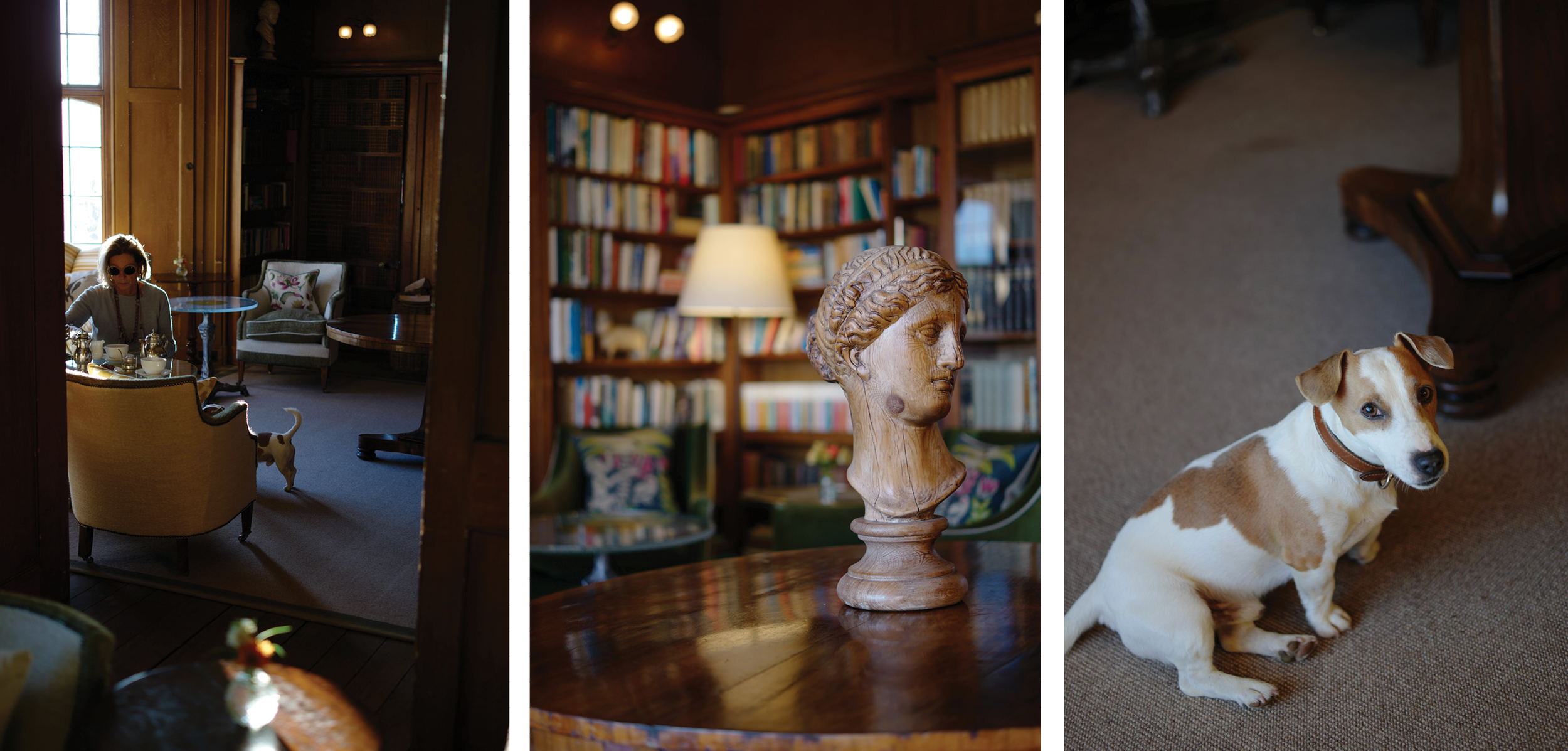
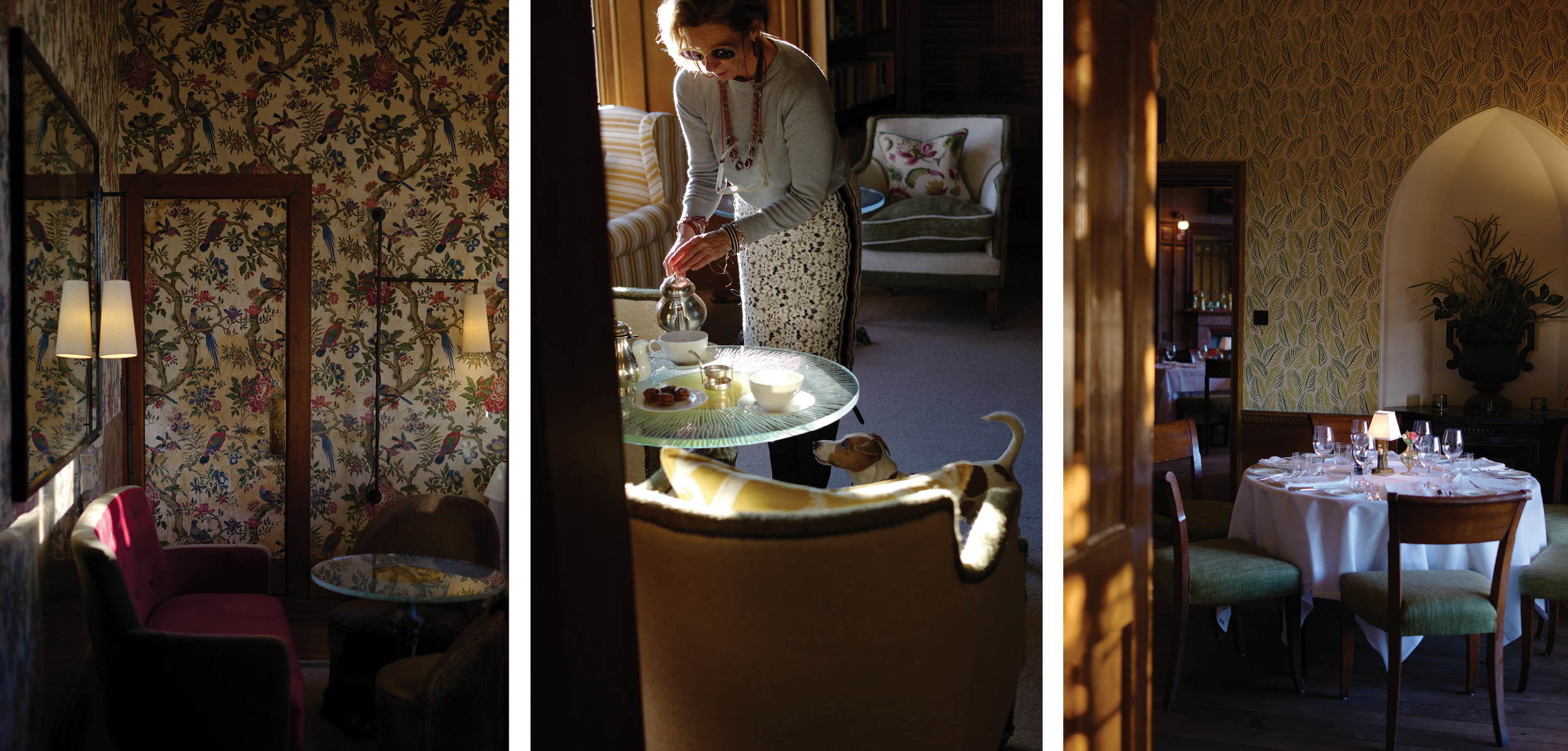
A delicate assault on all the senses is what we wrote after our last visit, two years ago. It still is. The gunnera were trimmed down for winter. Light floods into the library. Afternoon tea as it should be.
https://thepolizzicollection.com/hotel-endsleigh/